A selection of our Group Correspondence Courses as well as one of our Individual Correspondence Courses with teacher Barbara Kershaw will be retiring soon.
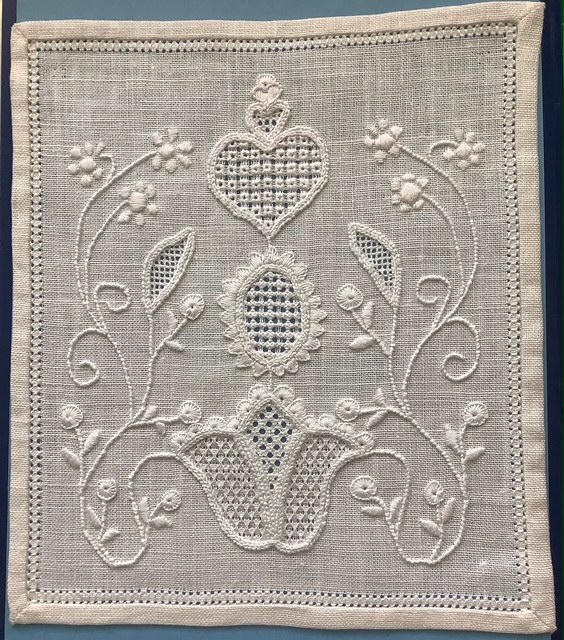
The Individual Correspondence Course A Basic Study of Schwalm Embroidery with Barbara Kershaw will no longer be offered as of March 1, 2026. The last day to register for the class will be February 28, 2026. This course introduces the student to the beautiful style of whitework from Germany known as Schwalm Embroidery. The student will learn of symbolism, tradition, and their evolution that brings about this charming needlework. This in-depth study will cover some of the history and the basic skills needed for this technique. As students create the samples for their reference binder, they will become familiar with the basic surface stitches such as coral knots and chain stitch.
The Group Correspondence Courses featured below will be available for group registration only through June 30, 2026. Gather your favorite stitchers, make a group and sign up! If you are interested in registering for these Group Correspondence Courses, you can learn more about the process and download the registration form from our Group Correspondence Course page.
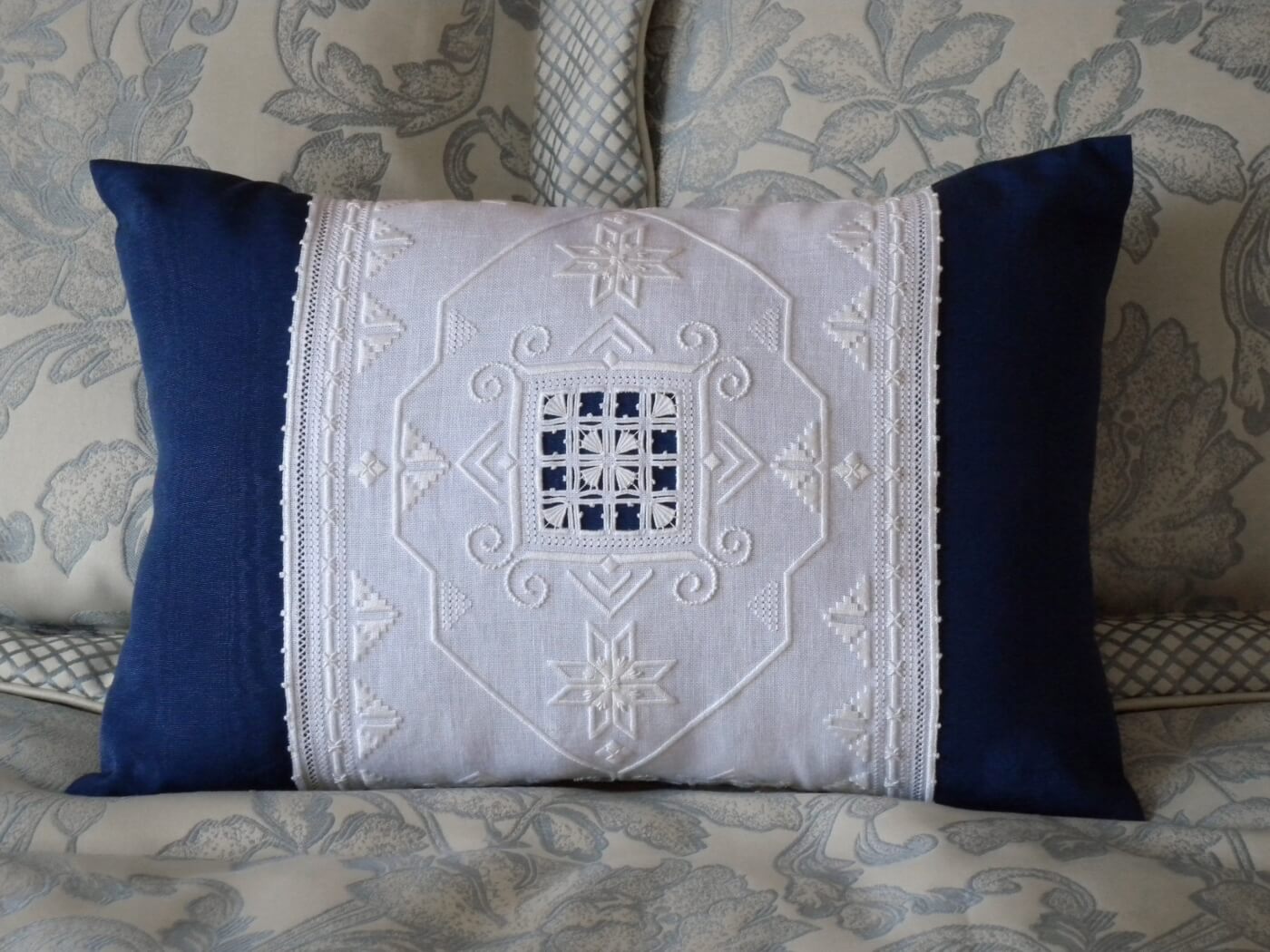
Daydreams with Barbara Kershaw – Techniques include some surface embroidery, drawn threadwork, pulled threadwork and hemstitching. The basic stitches used are coral knot, satin stitch, chain stitch, blanket stitch and four-sided stitch.
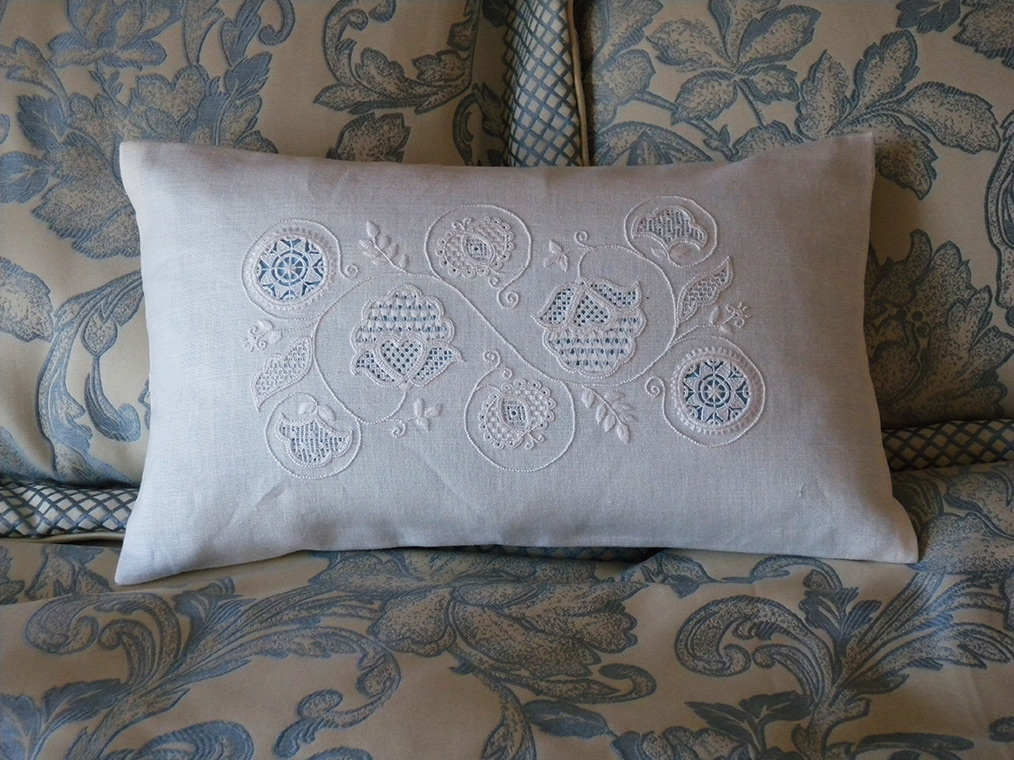
Fandango with Barbara Kershaw – Fandango is focused on Punto Antico, one of many beautiful styles of Italian whitework embroidery. Punto Antico embroidery includes a lot of satin stitch, Palestrina and bullion knots, curls and scrolls. Italian hemstitch is also an integral part of any design as well as drawn thread areas with sometimes simple and many times intricate needlewoven insertions. No matter if simple or intricate, it is a beautiful form of whitework.
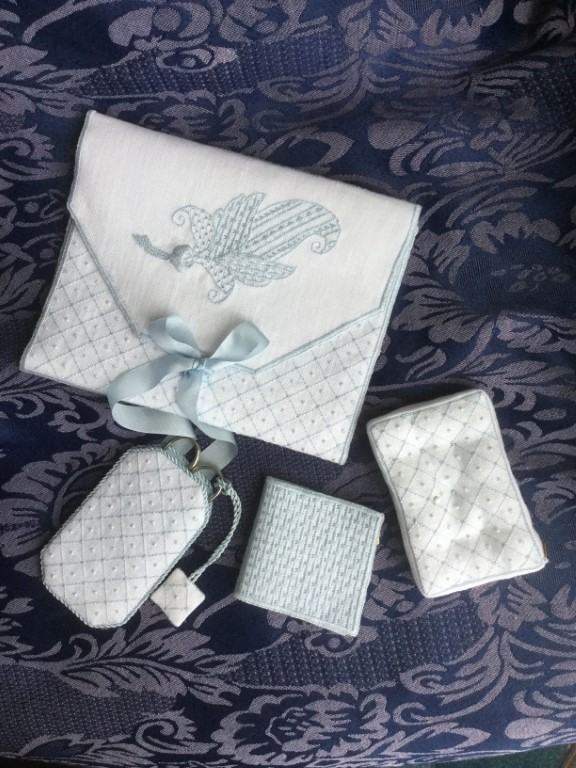
Symphony with Barbara Kershaw – This set comprising of an embroidery pouch and smalls (accessories) will be a wonderful addition to your sewing basket. The linen used is a 32 count evenweave but a 28 count can be substituted with adjustments needed for the trellis pattern. The basic stitches used are buttonhole and satin stitch, chain stitch, stem stitch and some filling stitches. The trellis pattern on the front is enhanced with some tiny beads.
Visit the Group Correspondence Courses page to learn more about signing up a group for these courses and to download the GCC Registration paperwork.
Looking for more courses? Try a GCC lightning Round!
Every quarter, our Education Department selects some of our Group Correspondence Courses(GCC) and these are made available for members to register individually without needing a group. These correspondence courses are a great opportunity for members-at-large or chapter members who have been wanting to try one of these group courses and haven’t been able to. There is not an online component to these courses. There are no refunds for course or text fees so make your selection carefully. Learn more about Lightning Rounds.
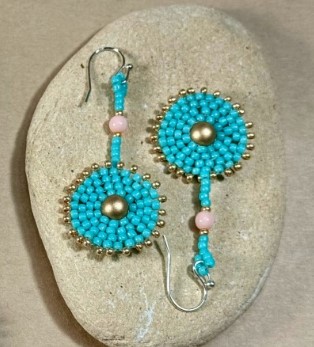
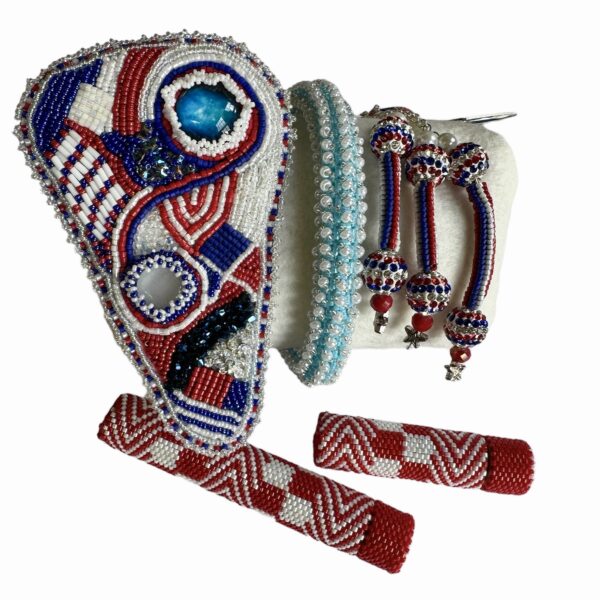
Keeping in Shape with Gwen Nelson
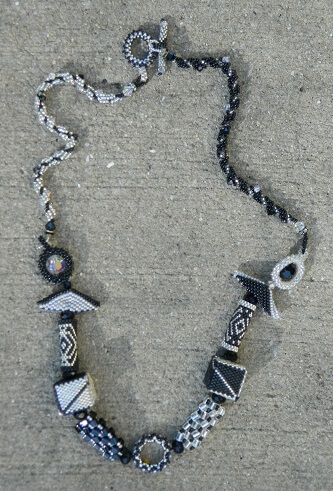
On Keeping in Shape, the student uses various techniques such as circular and flat peyote to make a necklace with 13 three-dimensional beaded pieces. This course is available as a GCC Lightning Round through February 28, 2026. Register here!
Mark and Paint on Canvas and Fabric with Laura Smith
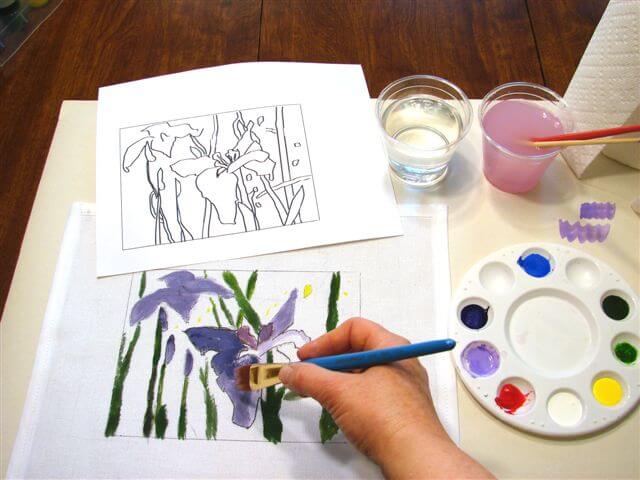
On our Group Correspondence Course Mark and Paint on Canvas and Fabric, you will mark and paint one design onto needlepoint canvas and one onto silk fabric. This course is available as a GCC Lightning Round through February 28, 2026. Register here!
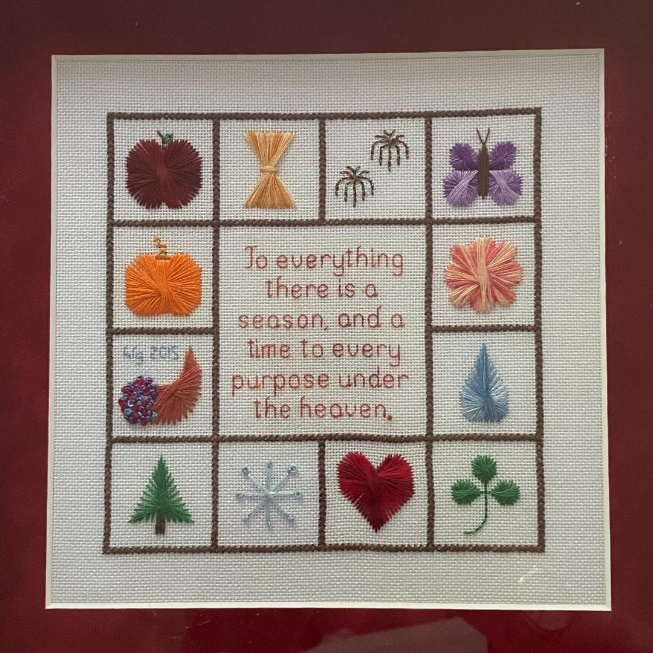
Perfectly Counted Crosses with Carolyn Standing Webb
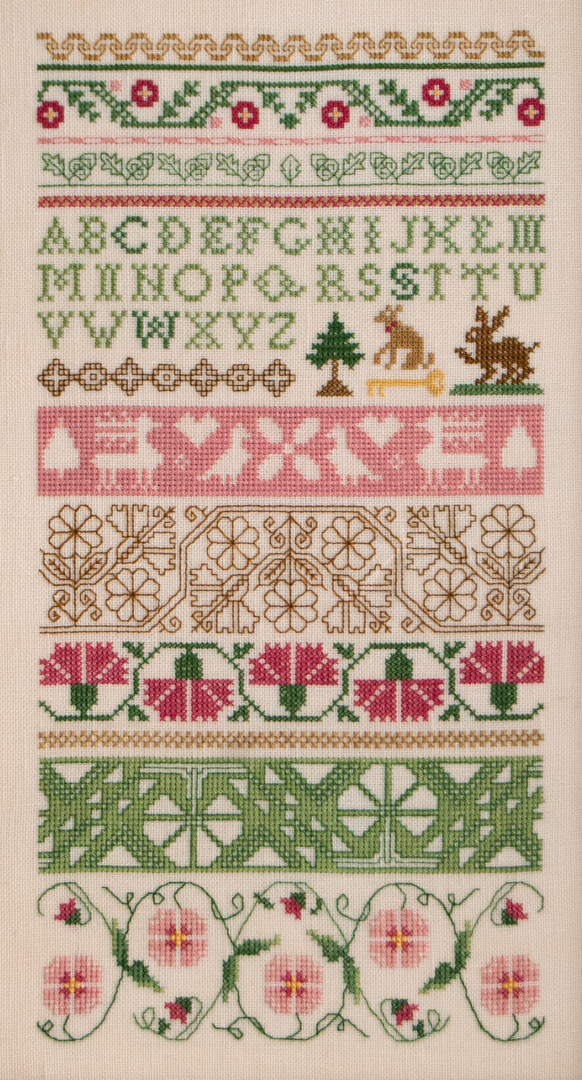
In Perfectly Counted Crosses you will learn how to create a sampler that will dazzle those who see it with perfectly executed crossed stitches. This course is available as a GCC Lightning Round through February 28, 2026. Register here!
Pulled Stitches Clover – Encore
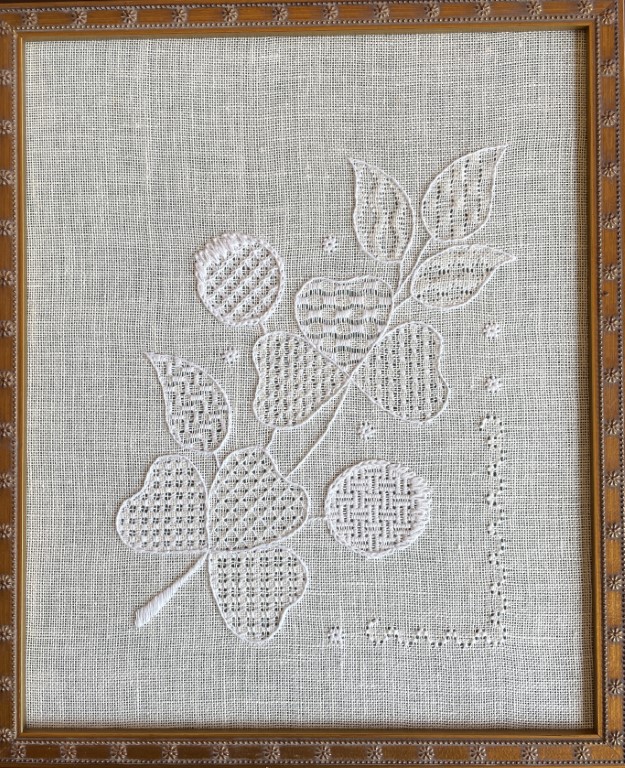
The leaves and blooms of the charming clover design contain twelve pulled fillings in a variety of patterns. There are both linear and diaper patterns in which the emphasis is placed on tension. Tension, of course, creates a significant change in the texture of the fabric. In pulled stitches, the effect is achieved by what the stitches do, not the appearance of the stitches themselves. This course is available as a GCC Lightning Round through February 28, 2026. Register here!
Uncommon Stitches with Melinda Sherbring

Do you like designs with dragons? Are you inspired by embroidered book covers of the late 16th and early 17th centuries? Do you collect unusual stitches — ones uncommon in modern embroidery? If you answered “Yes” to any one of those questions, then you may want to try this Group Correspondence Course. This course is available as a GCC Lightning Round through February 28, 2026. Register here!