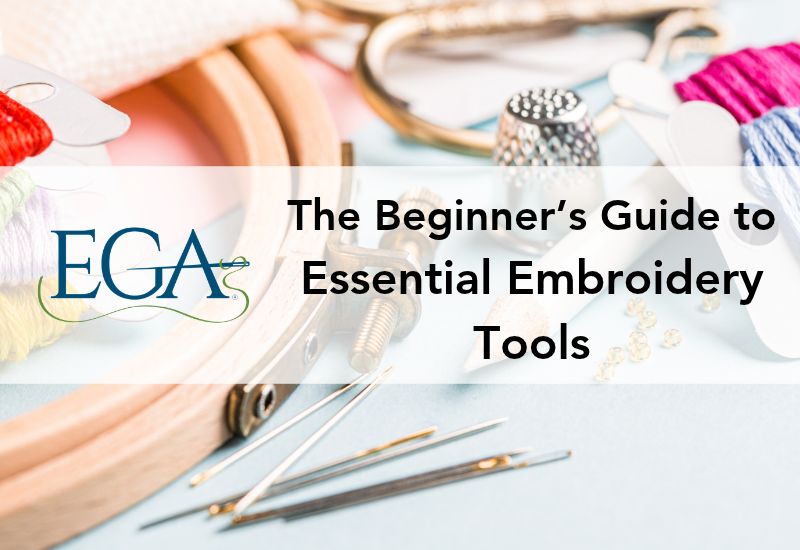
You’re excited to start your first embroidery project and launch your new needlework obsession. But do you have all the essential embroidery tools? You need more than a pattern, needle, and thread—consider this your handy checklist to make sure you have everything you need! We’ve also included helpful links to direct readers to more information about the tools so you don’t get lost in a sea of options.
For even more help, check out our Embroidery Guide for Beginners!
Embroidery Needles
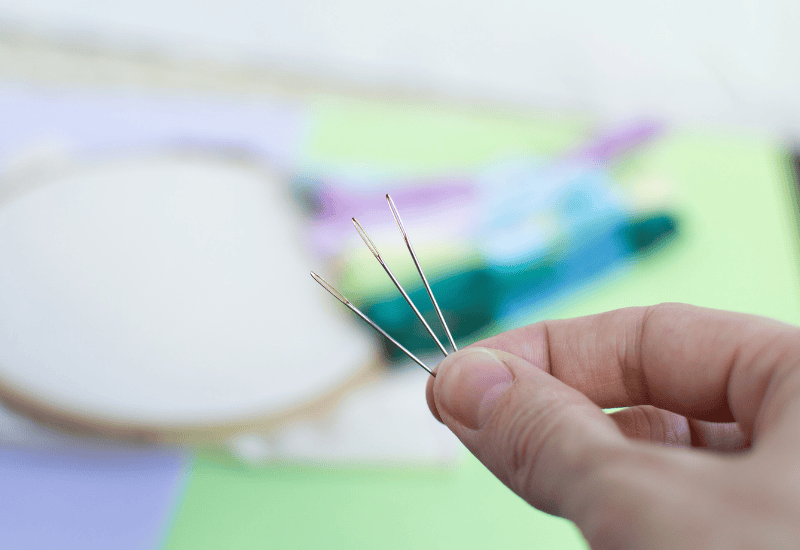
Of course you need embroidery needles to start embroidering! However, the type of embroidery needles you need depends on the type of needlework you plan on creating. Cross stitch, crewel work, silk ribbon embroidery, beading, sashiko—each type of embroidery requires a different needle.
Read EGA’s Guide to Embroidery Needles to learn more.
Embroidery Scissors
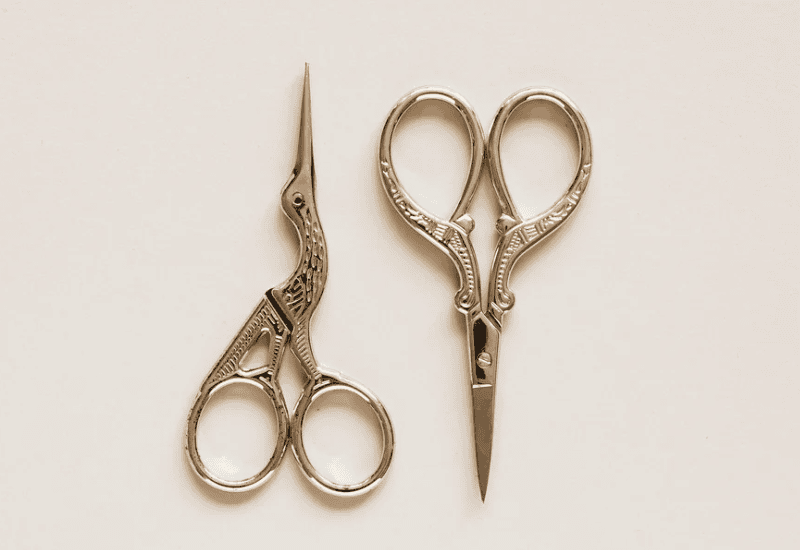
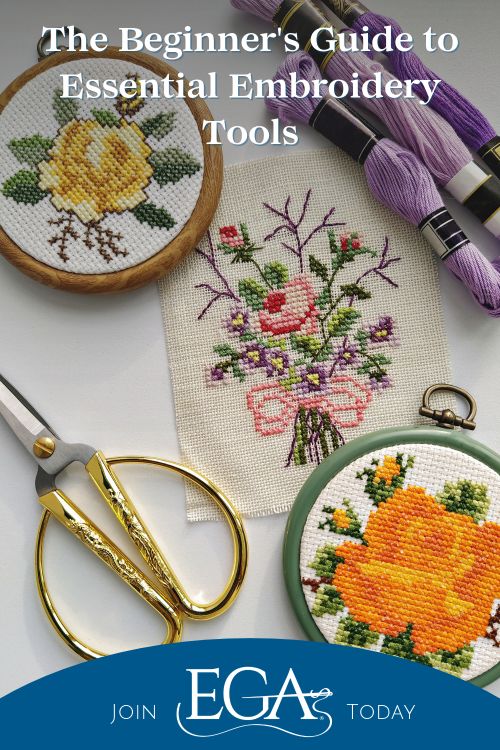
Every embroiderer needs a good pair of embroidery scissors! Embroidery scissors tend to be smaller, sharper, and have finer points. All of these factors make them easier to use for:
- Cutting threads close to fabric without damaging the fabric
- Cutting fine ends on floss so it’s easier to thread your needle
Embroiderers should also consider keeping fabric scissors, although loose fabric threads are best trimmed with embroidery scissors. Those little scissors are very precise! Just don’t use them for cutting paper and store them in a scissor case for safekeeping.
Embroidery Floss
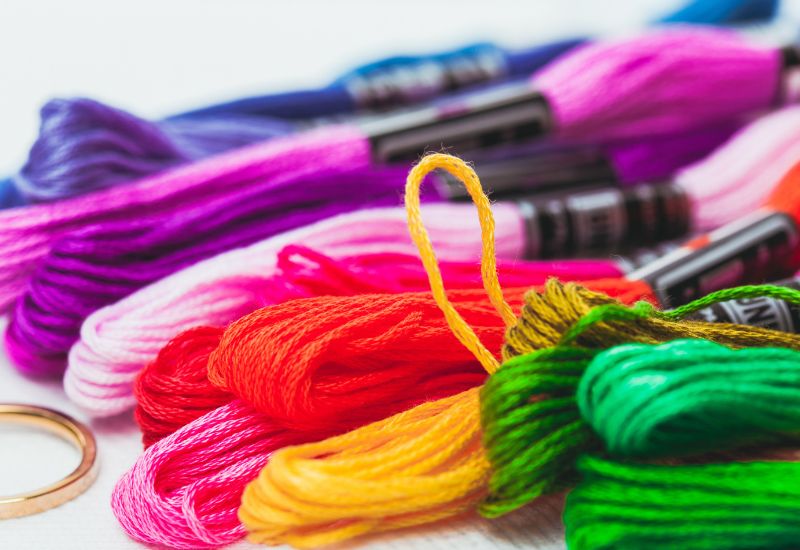
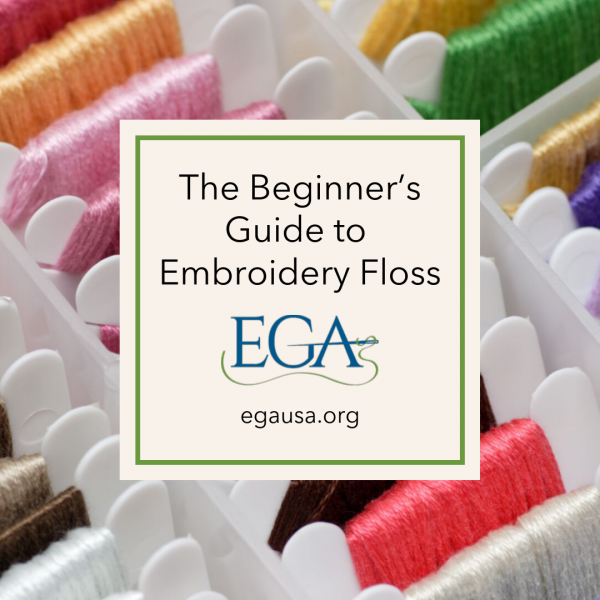
You’ll need embroidery floss to start stitching, and likely in lots of colors, depending on the project. DMC is the most widely available embroidery floss on the market, but you may find as you continue stitching that you want to try other types of embroidery thread. Metal threads, silk ribbons, silk thread, rayon thread, and wool floss are just some of the different options available. It all depends on the type of embroidery.
Read our Guide to Embroidery Floss for more information, and check out our Tips for Cross Stitch to learn an easy way to pull thread from a DMC floss skein without undoing the whole skein!
Fabric
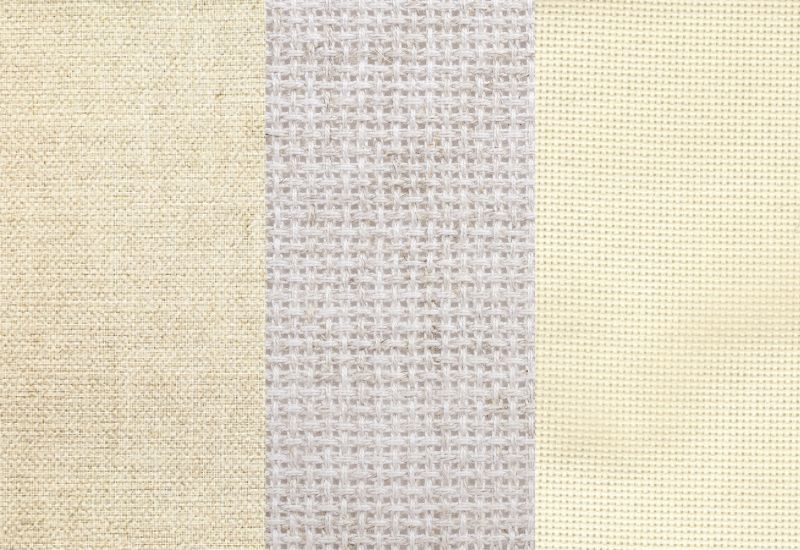
As with the other tools mentioned so far, the type of fabric you’ll need depends entirely on the style of embroidery. Aida can be used for cross stitch or embroidery, canvas for needlepoint and petit point, muslin for thread painting or free style embroidery. Be sure to check your project requirements, and read our Guide to Embroidery Fabrics to learn more.
Hoops, Q Snaps, Stretcher Bars, or Scroll/SlateFrame
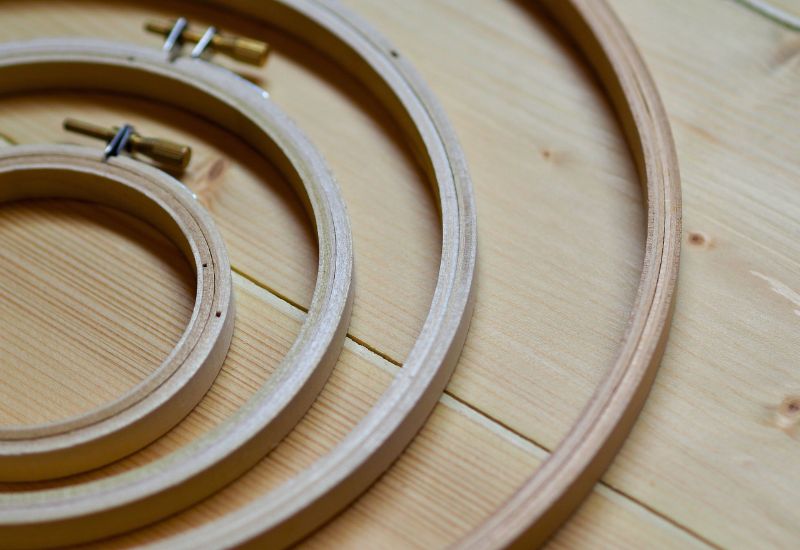
Some embroiderers (usually those who have been stitching for a very long time!) work with the fabric loose in their hand. However, it can be hard to maintain an even tension that way. You will need a hoop or other type of frame to hold your fabric taut.
There are several options for holding fabric for embroidery:
- Embroidery hoop – A classic and the most recognizable, and most affordable, option. Consists of two hoops nestled tightly together, which separate to add the fabric in between.
- Q Snaps – A plastic frame in four parts, which snaps together to form a square or rectangle. Looks like PVC pipes. Ribbed clamps snap on to the frame to hold the fabric in place.
- Stretcher bars – Similar to Q Snaps but the bars are made of wood, with teeth notched into the ends so the ends can be connected to create a frame. Fabric is then stretched across the frame and secured using tacks.
- Scroll/Slate Frame – As the name suggests, once assembled a scroll frame looks like an ancient scroll—the fabric wraps around two opposing ends of a square or rectangular frame, and the fabric can be advanced by twisting either end in the direction necessary. Side frame tensioners may be attached to the loose sides of the fabric to keep the fabric taut.
Needle Threader
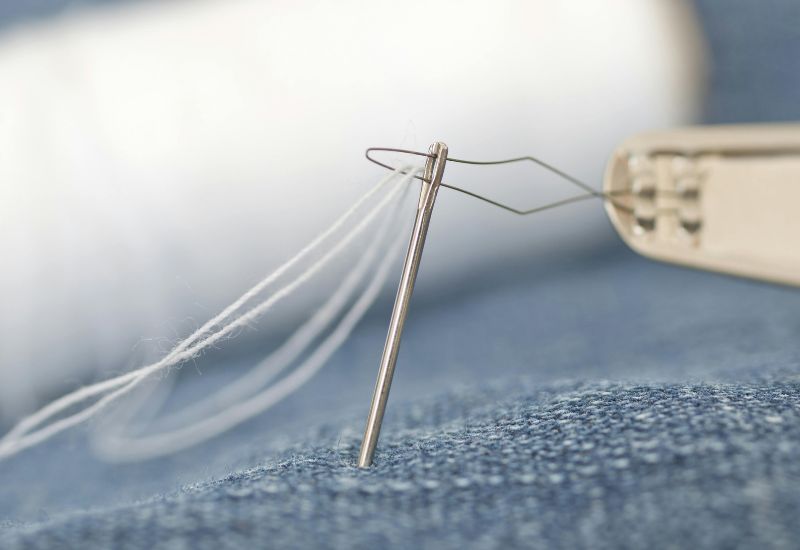
Some might say a needle threader isn’t a necessity. However, once you use one, it’s hard to go back! If you’re stitching with small-eyed needles, as with beading, or simply have vision issues, a needle thread may be your best friend.
Removable Pen/Marker
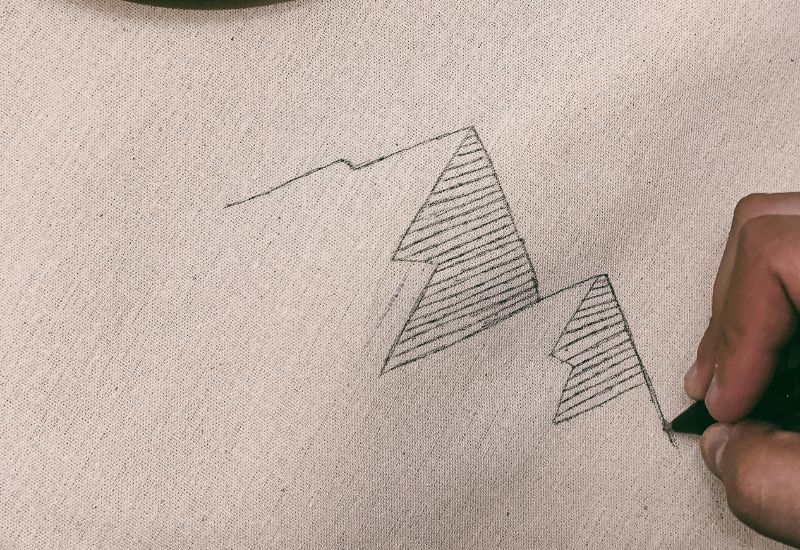
Transferring a pattern may require sketching directly onto your fabric. In this case, you’ll need either a heat erasable pen or marker (like a Frixion) or a water soluble pen. Read 5 Easy Methods to Transfer Embroidery Patterns for more helpful information.
Emery Cushion
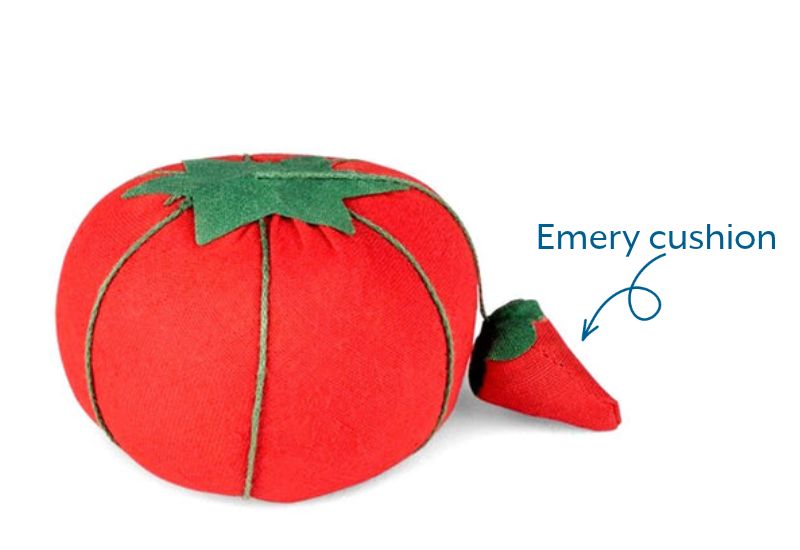
Needles grow dull after extended use. An emery cushion is a great and affordable way to prolong the life of any needle. The little strawberry one from Dritz, seen above attached to a tomato pin cushion, contains gritty emery sand. Poking your needle into it will help keep your needle sharp! Some emery cushions may contain crushed walnut hulls.
Needle Minder
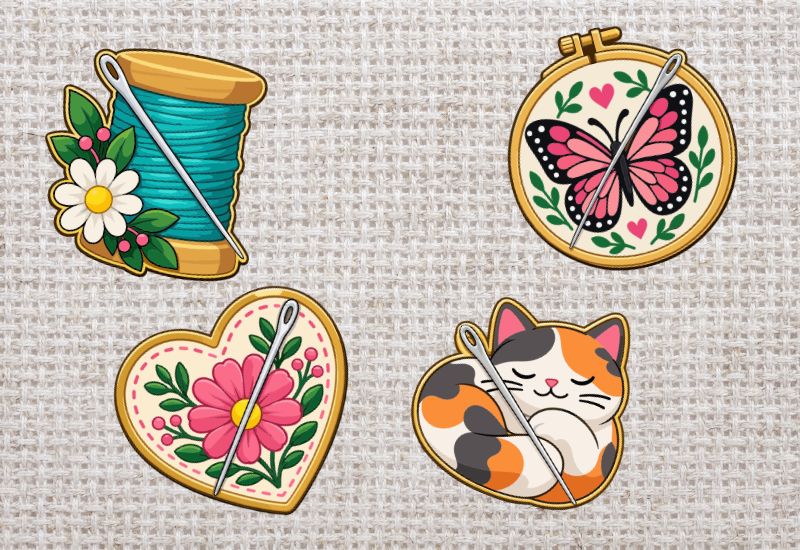
It is very easy to lose your needles as you work, or if you put down your work. A needle minder lives up to its name and minds your needle! Needle minders usually have a plain, flat front, with two magnets at the back. One magnet is attached to the needle minder, which sits on the front of your fabric, and the other separates so you can attach it to the back of your fabric. The magnets hold your needle in place and make it less likely your needle falls on the floor!
Needle minders have become a great way to express your personality as an embroiderer. There are lots of different styles on the market—some even come with needle threaders and thread cutters attached, for an exceptionally useful embroidery tool!
Needle Book
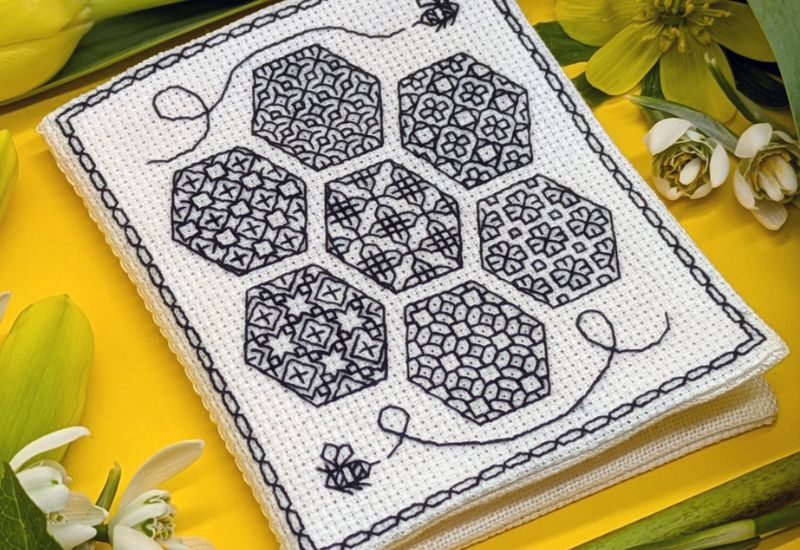
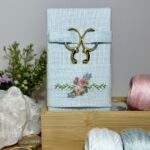
You’ll need a safe place to store your needles when they’re not in use. Needle books are popular embroidery projects as well, so consider making one of your own! The Blackwork Honeycomb Needlebook Project by The Steady Thread is a great option. The inside of needlebooks contain felt pages for the needles, which are pierced through the felt for safe storage.
Opt for felt wool inside the needlebook for the pages. The lanolin in the wool, and the wool’s texture, will condition needles and help keep rust away.
For even more tips on starting your first embroidery project, read A Little Book of Embroidery Basics and check our Embroidery Guide for Beginners!