Technique: Arpillera
Place of Origin: Chile
Earliest known date: 1970s
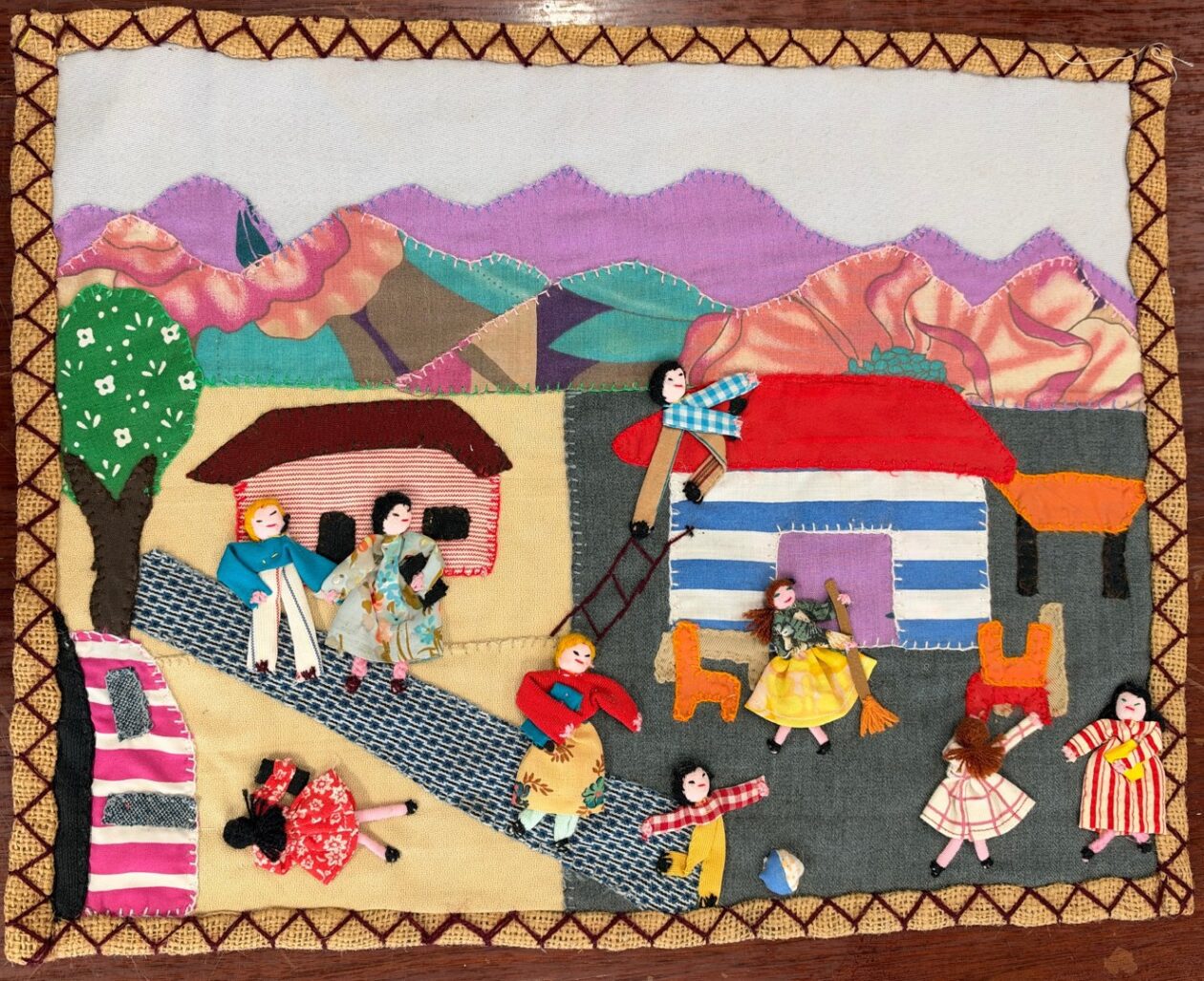
History: Arpillera embroidery arose in the 1970s in Chile as a response to conditions imposed on the Chilean people. In 1973, Augusto Pinochet overthrew the socialist Chilean government, seizing power and establishing a totalitarian dictatorship. During this period, families were torn apart. Political dissidents were arrested and tortured, and many family members—husbands and children—were abducted and imprisoned. Unemployment rose to more than 18%, and led to impoverished communities and food shortages.
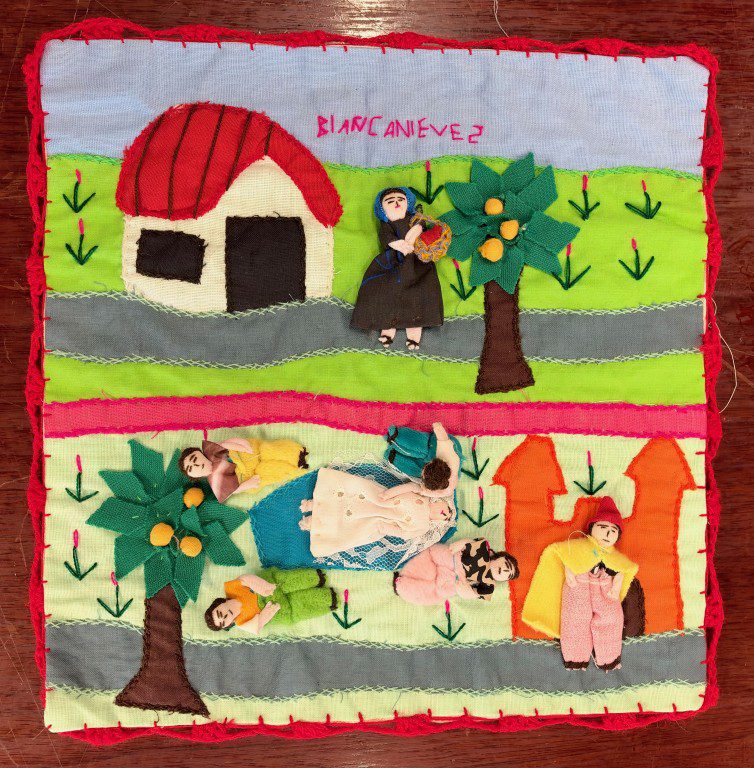
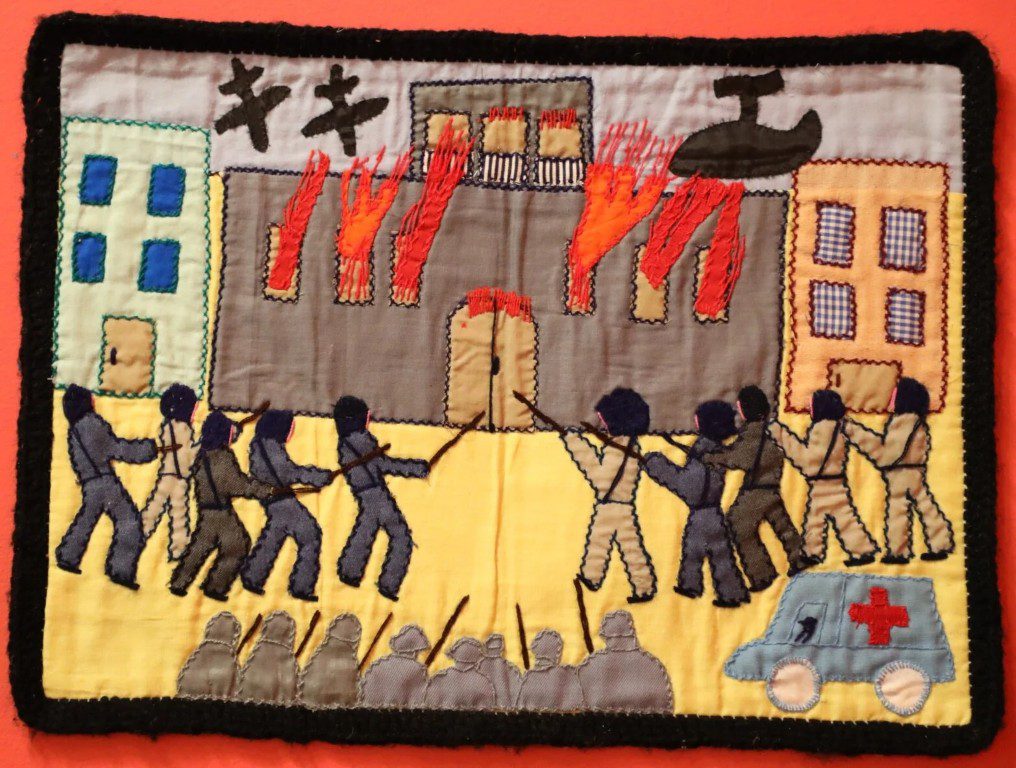
The word arpillera literally translates to burlap and points to arpilleras’ origins, which were created from and stitched on scraps of burlap and cloth. Arpilleras were crafted by Chilean women, known as arpilleristas, as a form of resistance. Arpilleras were a way to communicate feelings, preserve memories, and record stories. Arpilleras required no formal artistic training, and were constructed from fabric and fiber scraps, ribbons, and other materials. Arpilleristas used applique and embroidery techniques to hand stitch narrative scenes that communicated information about their daily lives. Arpilleras depicted the hardships and human rights violations suffered under Pinochet’s government, and were secretly distributed to convey messages that were otherwise suppressed.
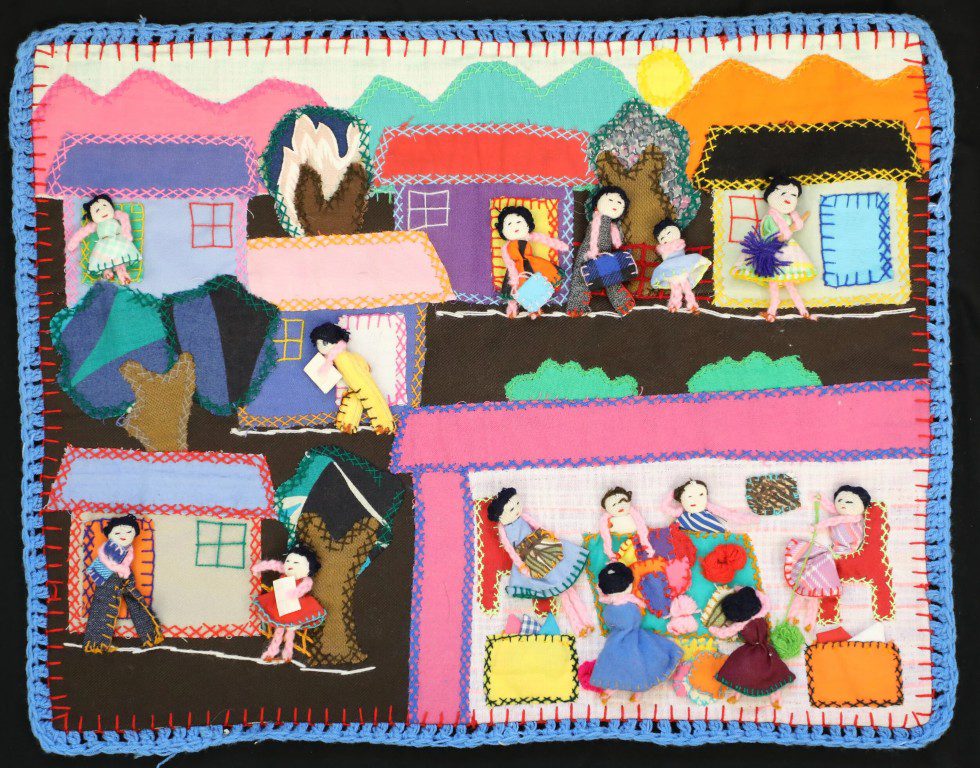
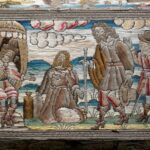
Community Arpillera Workshop, 1976, Embroidered textile, 15 x 19 inches, Courtesy of Margaret Beemer and MOLAA
Human rights groups like the Vicariate of Solidarity, which was organized by the Chilean Catholic Church, held workshops to provide impoverished Chilean women with a small income and crafting supplies to create arpilleras, and then distributed these concealed messages with the wider global community to draw attention to the violations in Chile. Arpilleras were a form of resistance art, and used to subvert the imposed censorship of Pinochet’s government.
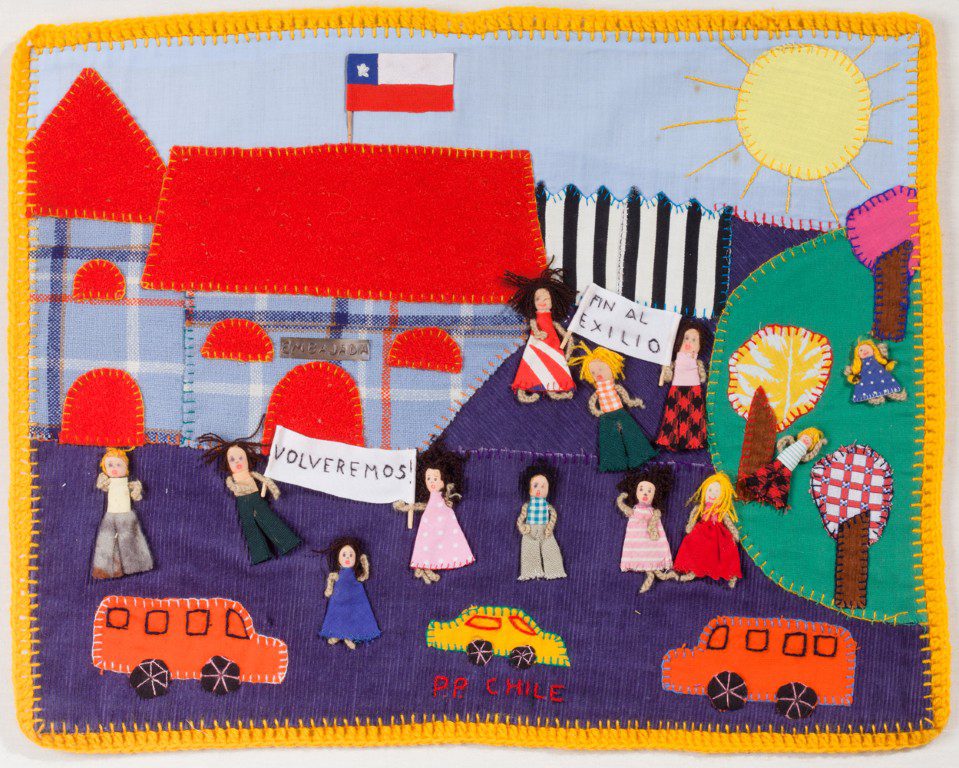
Materials, Techniques, and Stitches: Arpilleristas constructed arpilleras from colorful scraps of fabric, fiber, ribbons, and other leftover or discarded materials. Sometimes, arpilleristas used the clothing left by disappeared or lost relatives in their arpilleras. Originally, wheat and flour sacks and burlap canvases were used as the base material, on which other fabrics were appliqued to construct scenes. Arpilleras used surface embroidery, applique, and three-dimensional techniques similar to stumpwork to create landscapes, places, people, and animals.
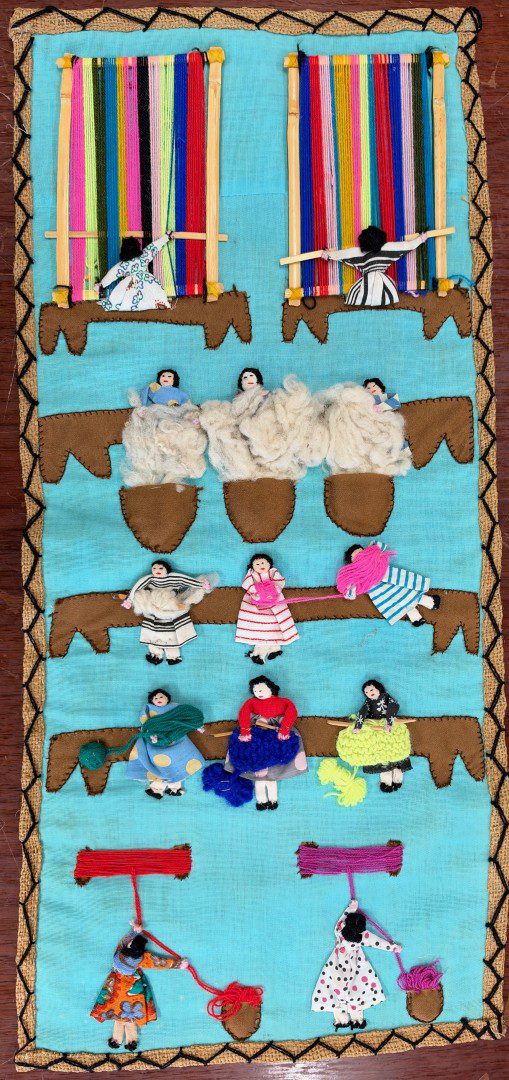
Motifs: The original arpilleras depicted life under Pinochet’s dictatorship, so early arpilleras are fraught with scenes of oppression, suffering, restriction, violence, poverty, loss, and resistance. Aripelleristas also created arpilleras for family members who had been lost during forced disappearances, known as deseparecidos, to both honor and decry the loss of their family members.
Today, arpilleras often feature religious scenes and life in Chile.
Sources
Arpillera Wall Hanging by Unknown Chilean Woman. 1970s-1980s. Burlap with appliques. From EGA’s Permanent Collection
Arpilleras. (2026, September 26). In Wikipedia. https://en.wikipedia.org/wiki/Arpilleras
Museum of Latin American Art (n.d.). Arte, Mujer y Memoria: Arpilleras from Chile. MOLAA. https://molaa.org/arpilleras-online
Panamaroff, A. (n.d.). Arpillera. Edmonton Needlecraft Guild. https://www.edmontonneedlecraftguild.org/info/arpillera
Anderson, R. (2023, May 14). Chilean Arpilleras: The Underrated Textile Art of South America. Rachel Anderson Textiles. https://rachelandersontextiles.com/blogs/posts/chilean-arpilleras-the-underrated-textile-art-of-south-america
(2021, June 4). Arpillera and Resistance. Selvedge. https://www.selvedge.org/blogs/selvedge/arpillera-and-resistance
(2024, July 1). A newspaper in fabric scraps: The story of the arpilleristas in Chile. Unesco. https://www.unesco.org/en/articles/newspaper-fabric-scraps-story-arpilleristas-chile
(n.d.). Historical Context of Arpilleras. Carolina Oneto. https://carolinaoneto.com/stitching-history-the-role-of-chilean-arpilleras-in-social-activism-and-culture/