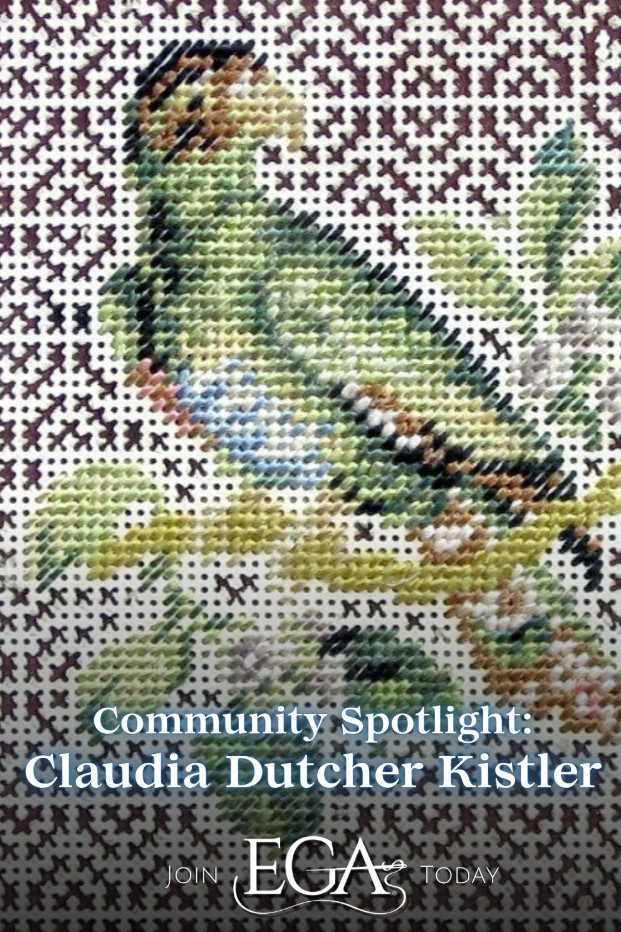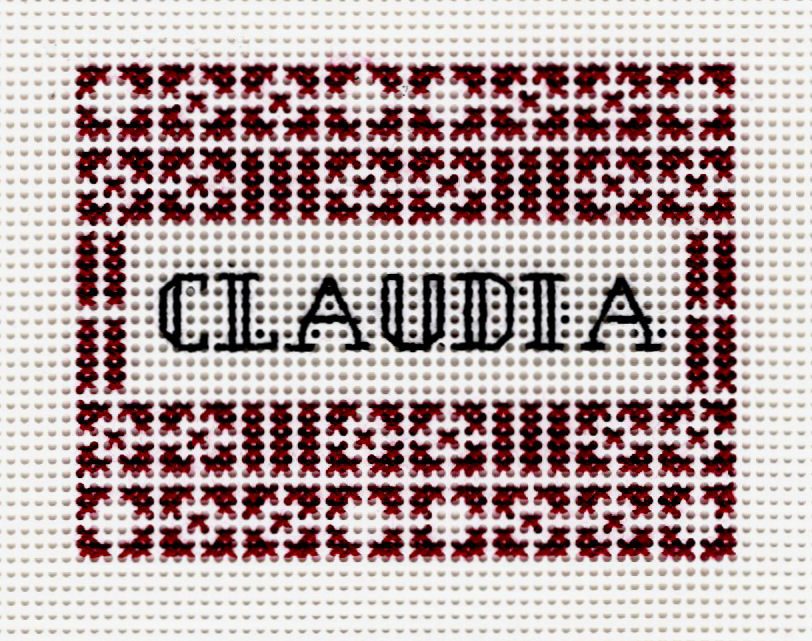
EGA member Claudia Dutcher Kistler may be singlehandedly keeping perforated paper needlework alive. She has loved and collected perforated paper needlework and lacework for more than 40 years, and recently designed the free Lacework Nametag project for our Outside the Hoop series. EGA stitchers can craft their own nametags, like the one seen above, using cross stitch or cutwork techniques. Like many of us, Claudia’s love for needlework and crafting began in childhood, when she was inspired by her equally crafty grandmother to pick up needle and thread. Her articles on perforated paper needlework help to raise awareness around this often forgotten needlework technique. Read A Collector’s History of Perforated Needlework and visit Dutch Treat Designs and PerforatedPaper.net to learn more!
What were your first experiences with embroidery?
I first did surface embroidery as a child. I learned Needlepoint and Counted Cross stitch in my 20s.
You have a keen interest in perforated paper and paper lacework. What drew you to this unique needlework technique?
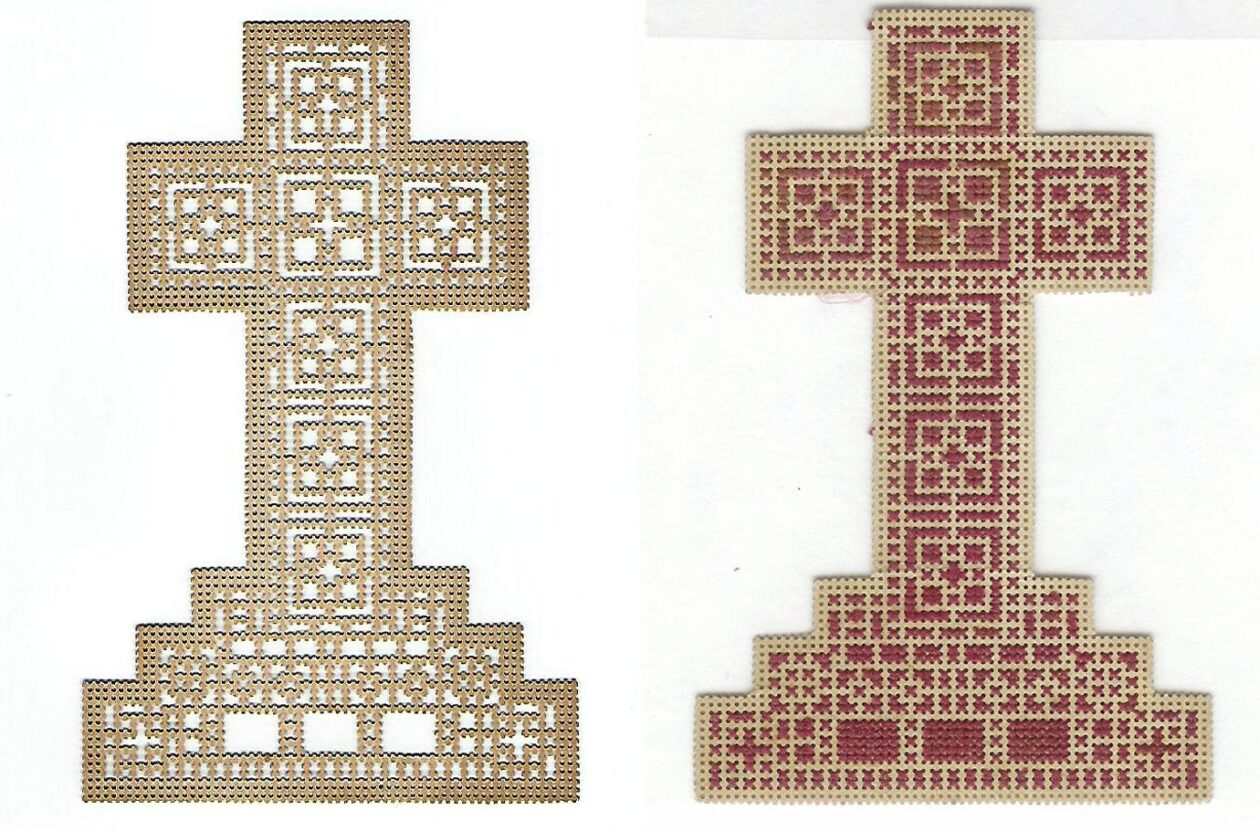
I have loved and collected Perforated Paper pieces for 40+ years. The patterns used for Lacework were unique. The geometric repeating patterns were intended to look like lace. To see an antique Lacework project where the pattern was achieved by cutting away the paper was amazing. It was a challenge to see if I could create a Lacework design by cutting away the Perforated Paper.
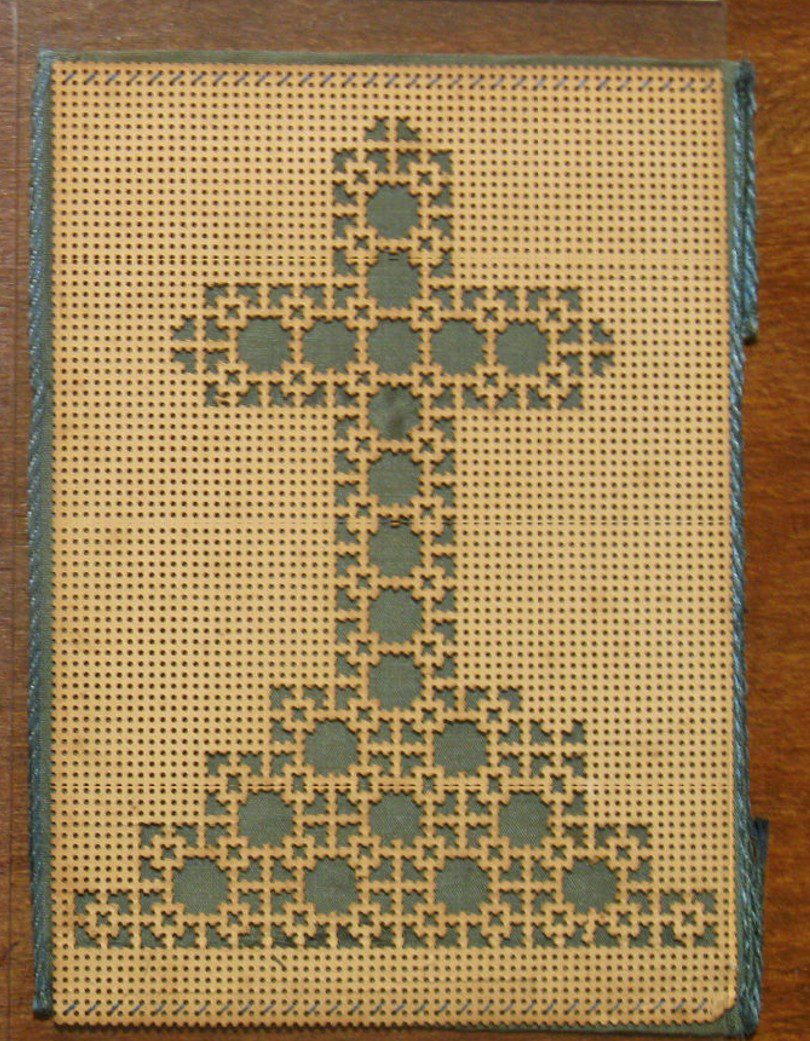
What is perforated paper? What kinds of threads and materials were commonly used with perforated paper?
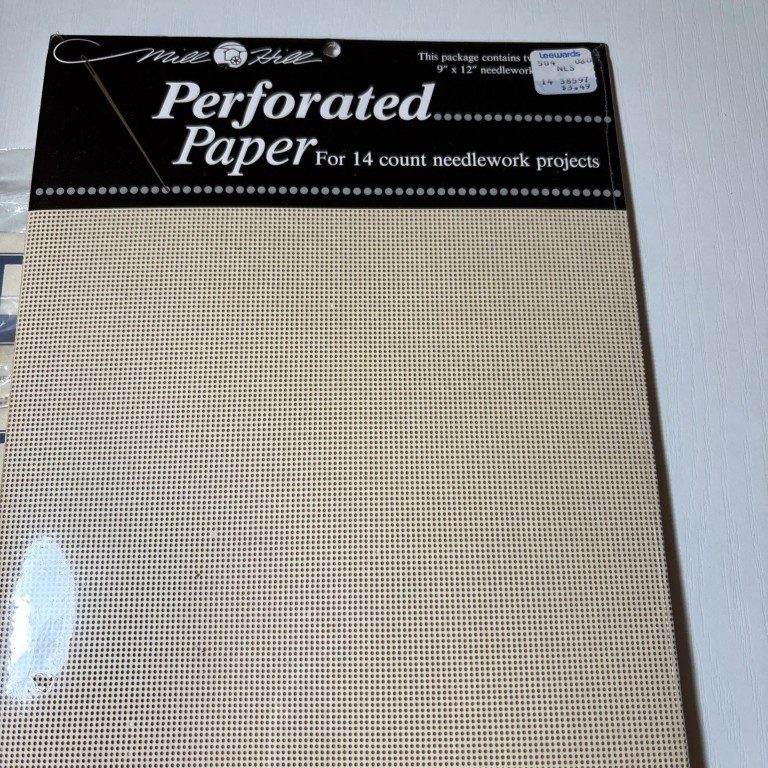
Perforated Paper, also called Punched Paper, was a lightweight cardboard with evenly punched holes. Our modern Perforated Paper had 14 or 18 holes punched per inch. Perforated Paper that was made in the mid Eighteen Hundreds had between 10 and 24 holes punched per inch.
The threads used in antique pieces included: stranded cotton, silk, wool, and metallic threads. Although not a thread, beads were commonly used in antique paper projects.
How did perforated paper needlework arise in the crafting community? Can you talk a little about its history? What was its purpose, and why would embroiderers elect to work on perforated paper rather than fabric or canvas?
Every material has its best use, meaning that some types of projects are easier when worked on a specific ground material. Almost anything that could be worked on fabric or canvas could also be worked on paper. Paper also had an advantage that it stayed stiff and could be cut to any shape without worry of the edges fraying etc. The limit for what could be worked on paper has always been the size of the sheets that were available. Perforated paper and Perforated PVC are sold as 9” x 12” sheets. This size sheet works well for small projects.
The question I get a lot is: How different is it to stitch on Perforated Paper vs Perforated PVC?
If you are stitching a Lacework design, or any other type of design, both the Paper and the PVC stitch the same. The Perforated PVC is a pleasure to stitch on. For a cutaway Lacework project the Perforated Paper is easier to cut. The Perforated PVC is more sturdy after the pattern is cut out. If the Perforated PVC is a little tougher to cut through then mistakes made while cutting out your pattern could be harder to make. When you make a mistake cutting out a Lacework pattern, it cannot be fixed. However, Lacework looks great when it is stitched and a stitched piece is much less stressful for the stitcher.
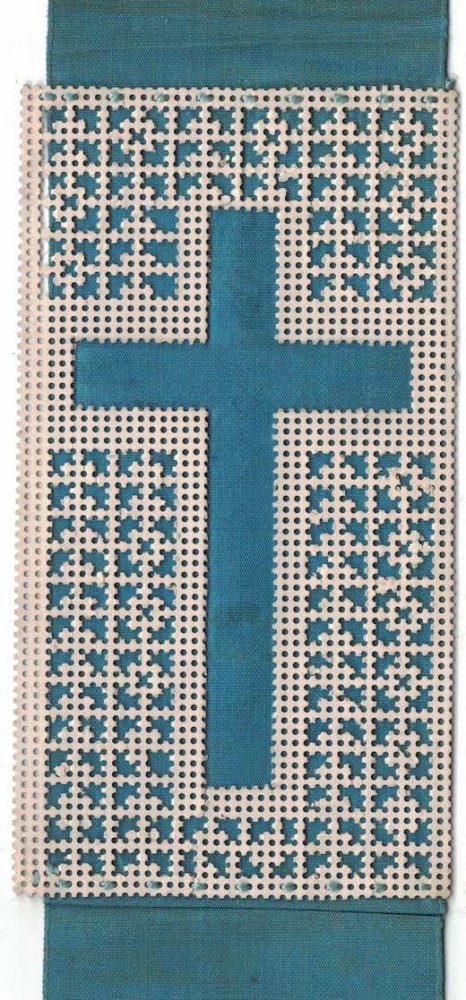
What kinds of patterns and design work can embroiderers expect to see with classic perforated paper needlework and paper lacework?
Small projects such as needlebooks, bookmarks, small samplers, baskets etc.
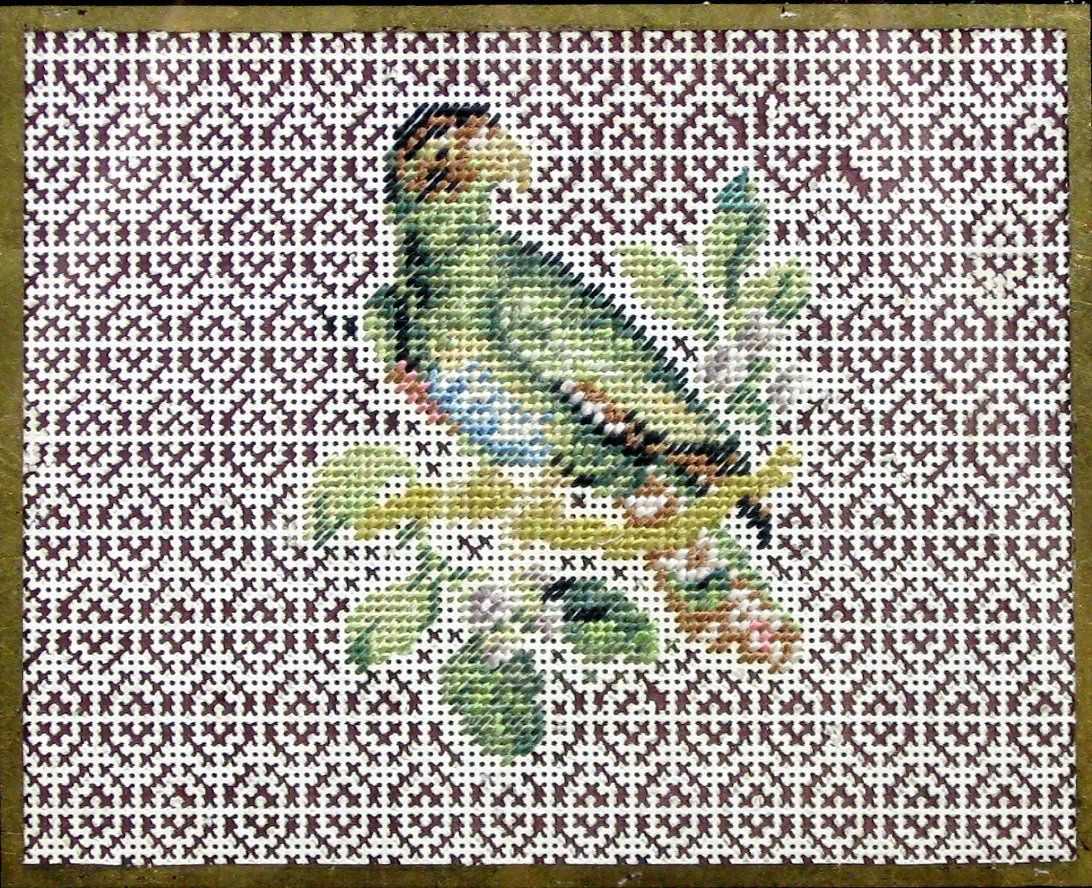
Perforated paper is no longer commercially available and has been replaced by perforated PVC. Why do you think this happened to this unique material?
You would need to ask Wichelt Imports this question. Wichelt Imports is the company that most recently made Perforated Paper and now Perforated PVC available for stitchers.
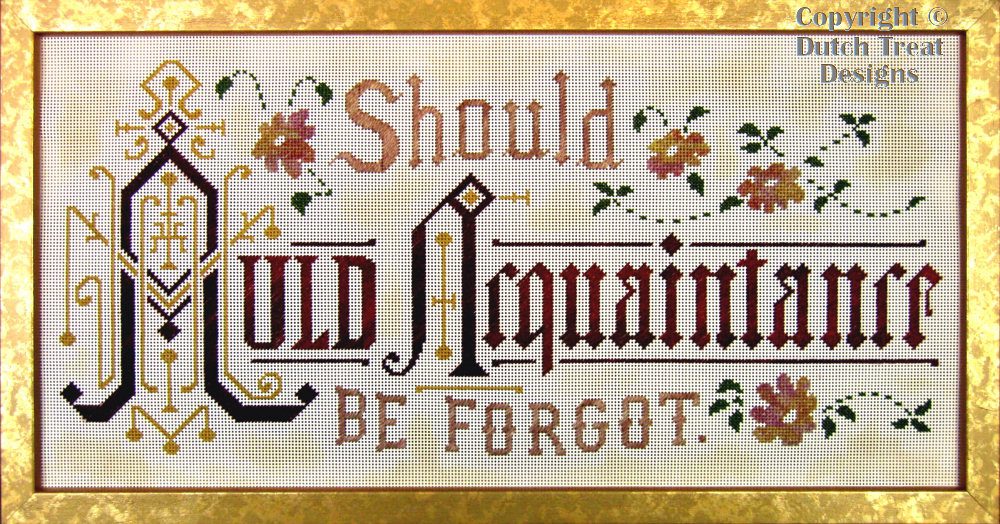
Do you have a favorite perforated paper needlework or paper lacework design?
I like them all. I love to see designers releasing a design on paper especially if they are adapting an antique design that was originally worked on paper.
I believe that, at the moment, the only person doing current designs using the Lacework technique is me, as Dutch Treat Designs. Lacework patterns, whether stitched or cut away, are easier to work on Perforated Paper or Perforated PVC. The material is stiff and the pattern is easier to stitch.
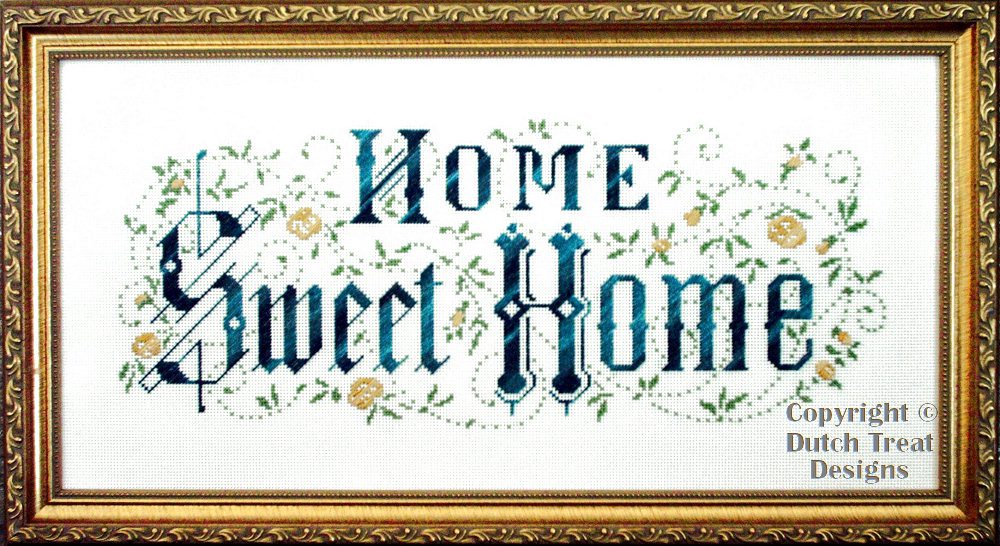
Where can interested stitchers learn more about perforated paper and paper lacework? Where can stitchers follow you to learn more about your work? Do you have any upcoming events we should know about?
My website PerforatedPaper.net shows most of my extensive collection of Perforated Paper needlework. There is a section on Paper Lacework on that website.