What can a landscape, a map, or a cityscape tell us about the person who made it?
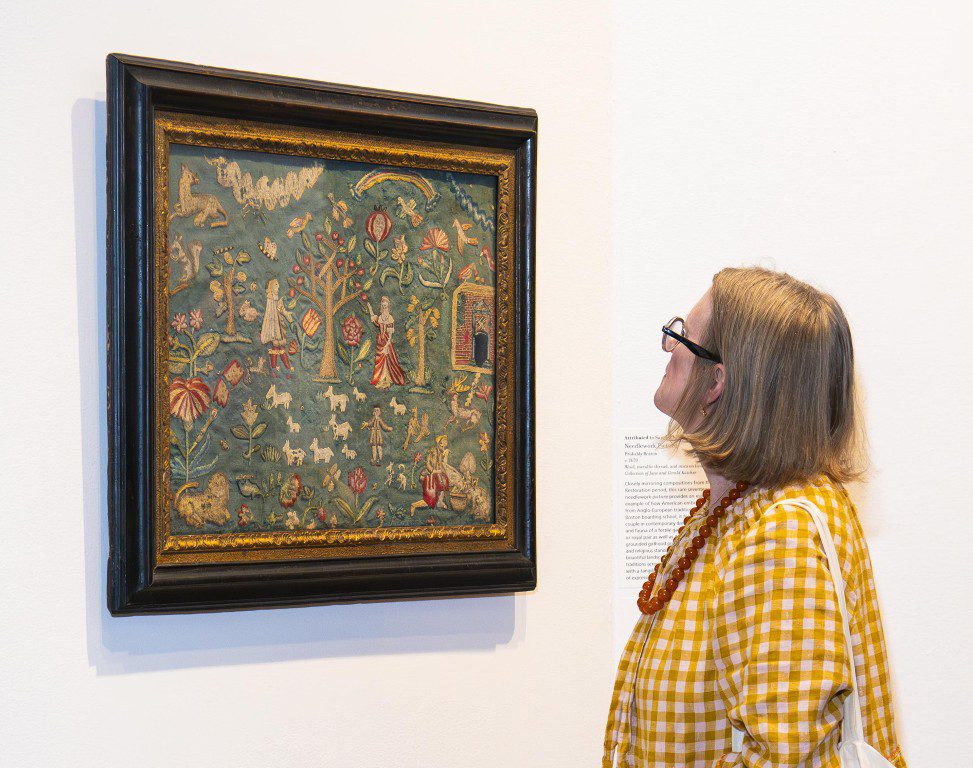
The American Folk Art Museum in New York City is currently presenting Locating Girlhood: Place and Identity in Early American “Schoolgirl” Art, bringing together nearly 100 works made by girls and young women in eighteenth- and nineteenth-century America. Presented during the nation’s semiquincentennial, the exhibition offers a new look at a body of work that has too often been treated as decorative or secondary to the history of American art.
Known broadly as “schoolgirl art,” these spectacular examples of samplers, needlework pictures, watercolors, and other works were often created as part of girls’ education. Yet many share a striking preoccupation with place. Girls depicted landscapes, gardens, cities, maps, and other geographic subjects, creating images that could reflect their surroundings, aspirations, identities, and experiences.
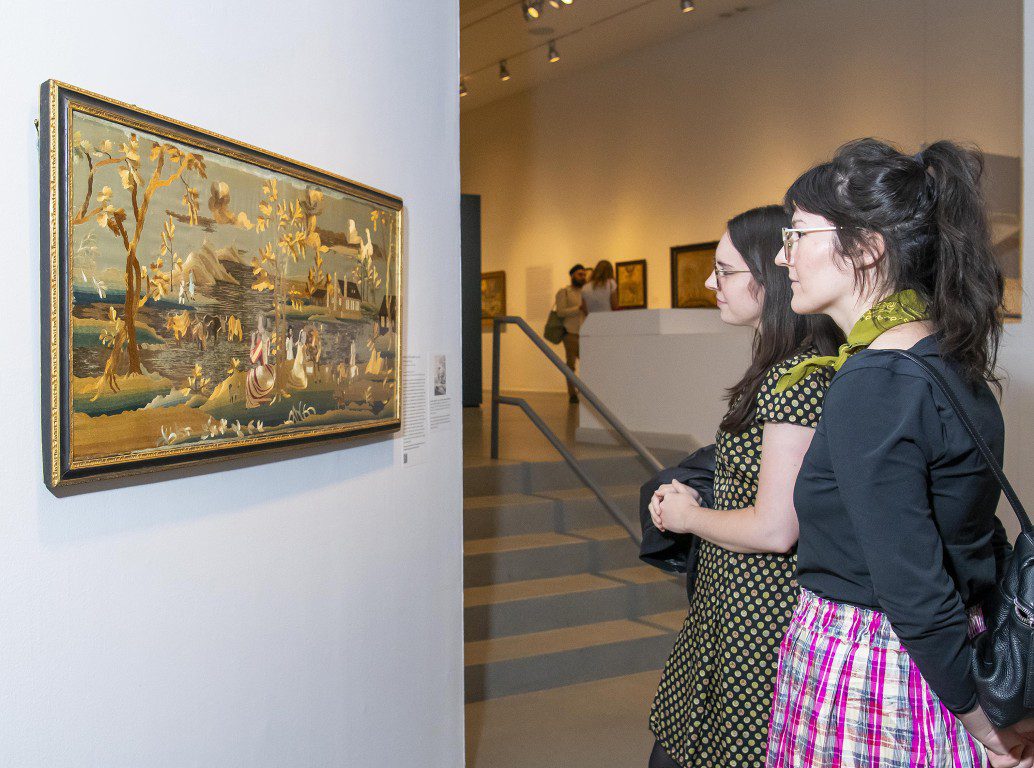
Locating Girlhood asks why place was such a persistent subject and what these works reveal about the young people who made them. The exhibition expands the traditional story of schoolgirl art by bringing works by Black and Native American students into conversation with those by white students, offering a more inclusive view of early American artistic production.
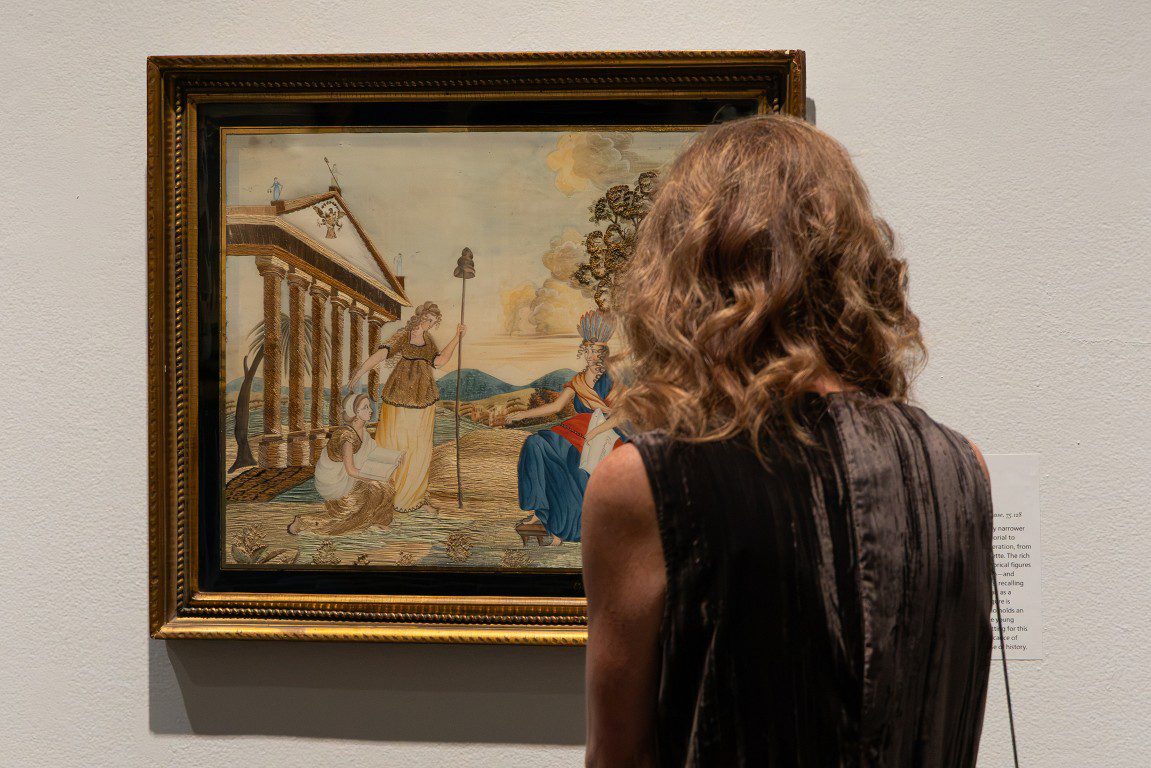
The exhibition features loans from more than two dozen institutions and private collections, including the Metropolitan Museum of Art, Colonial Williamsburg, Winterthur Museum, Garden & Library, and the Connecticut Museum of Culture and History. Highlights include Mary Lemmon’s celebrated Lemmon-Phillips Filigree coat-of-arms (1735), Mary King’s Tree of Life needlework picture (1754), a monumental Boston needlework picture from the “Fishing Lady” group (1747–50), and Gilbert Stuart’s double portrait of Anna Dorothea Foster and Charlotte Anna Dick (1790–91).
Many of these works are rarely exhibited because of their fragility and sensitivity to light. Together, they offer a rare opportunity to look closely at the artistic achievements of girls and young women—and to reconsider their place in the story of American art.
On view through February 28, 2027. Admission to the American Folk Art Museum is always free.
Locating Girlhood is curated by Emelie Gevalt, PhD, AFAM’s Deborah Davenport and Stewart Stender Deputy Director & Chief Curatorial and Program Officer, and Caroline Culp, PhD, AFAM’s former Warren Family Assistant Curator and now Brock Curator of American Art at the Chrysler Museum of Art in Norfolk, VA.
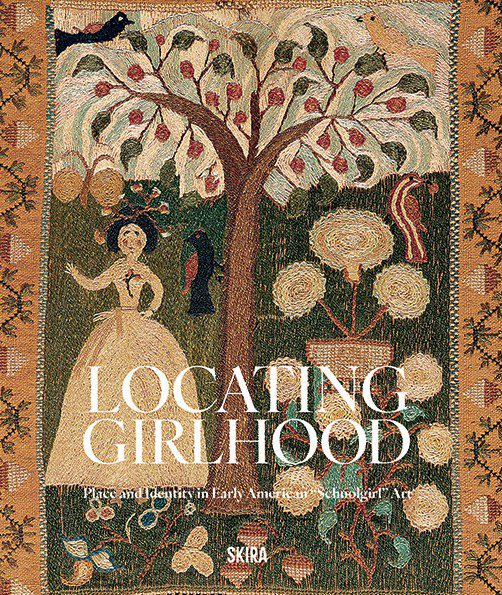
The exhibition is accompanied by a lavishly illustrated publication presenting new scholarship on key works drawn from major collections of girlhood embroidery and ornamental arts. In addition to essays by curators Gevalt and Culp, the publication includes a foreword by Pulitzer Prize-winning historian Laurel Thatcher Ulrich, contributions by art historian Elizabeth Bacon Eager and literary scholar William Huntting Howell, and an afterword by art historian Andrea Pappas. It is available for purchase via the Museum’s Shop, with proceeds supporting future exhibitions.
– The American Folk Art Museum in New York City