EGA was delighted to sit down and talk with Erin Harvey Moody and Christy Gordon Baty, the research team behind Relics in Situ, ahead of their upcoming virtual lecture: The Exquisite Book Bindings of Oxford with Relics in Situ. Erin and Christy are avid needleworkers and historians with a keen interest in uncovering the hidden stories behind historical embroidery works. Their work bridges a longstanding gap between the worlds of academia and handcrafts, and generates a fascinating conversation about the lives and values of needleworkers and their enduring influence on culture.
Tell us about Relics in Situ. What is Relics in Situ’s purpose, and how did it come to be?
Relics in Situ grew out of a mutual love of history and embroidery. We both found the medieval, Renaissance, and early modern eras fascinating, especially in regard to textiles and needlework, which was perfect, since we had both been makers and embroiderers for decades, finding a tremendous amount of creativity and enjoyment in that process. It all came together when we started looking at needlework from the periods we were most passionate about, and that led us down so many paths, including extant textiles and how they are cared for and shared with the public. It also opened up whole areas of fascinating information surrounding embroidery: the daily lives of women, how women worked and were paid and appreciated for that work, the value of needlework in a broader cultural context, international trade, economy, bookmaking, literacy, religion, and social rules and social climbing. Needlework, it turned out, was a niche topic that gave us a window into so many important areas of human experience.
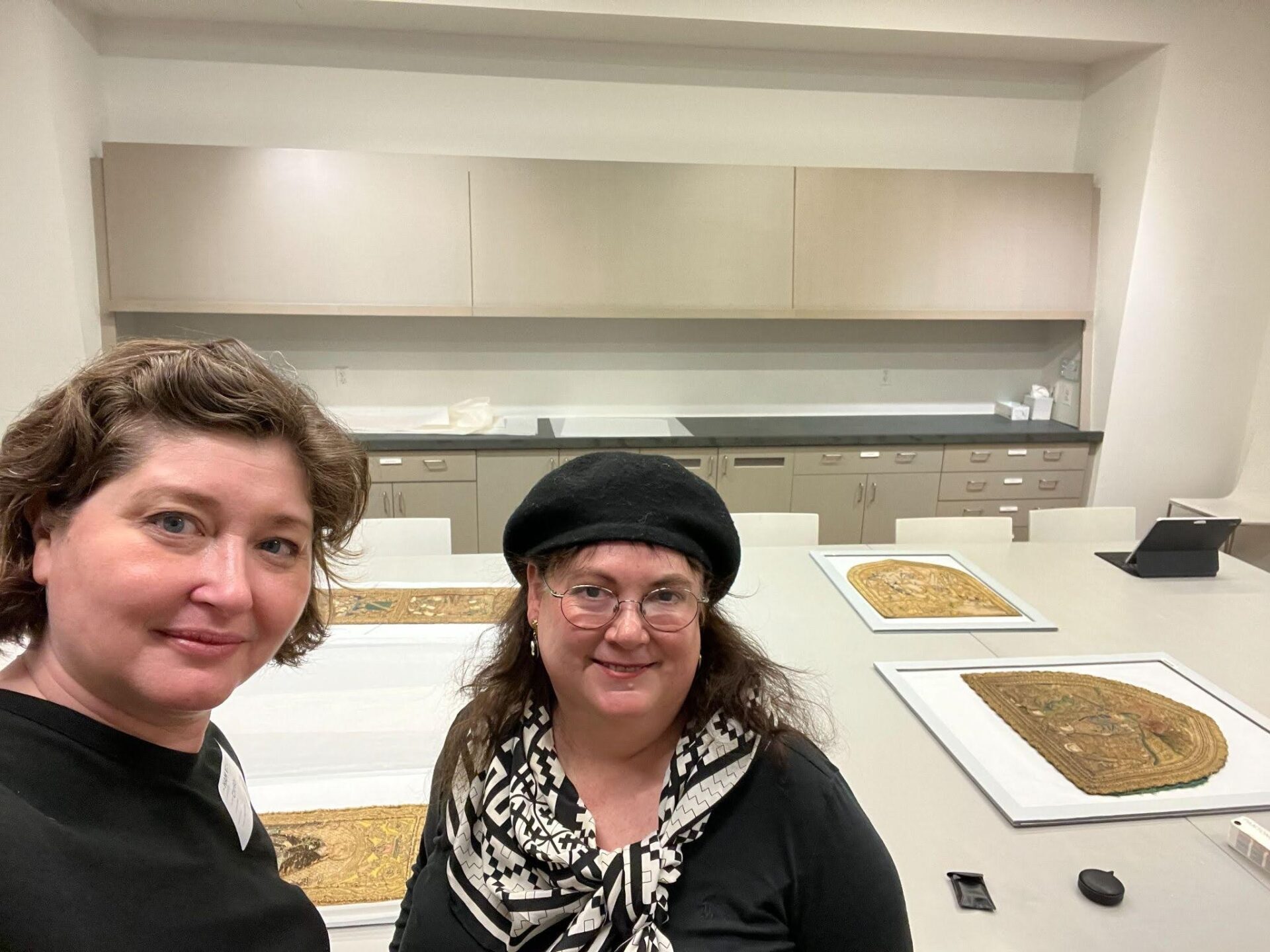
As we worked across these topics, we began doing research in academic worlds and lecturing in makers’ worlds, and we realized that these two groups not only didn’t talk to each other, they often didn’t even think of each other except in the most general ways. We wanted to bridge that gap: bringing the beauty and intricacy of making to academics, and sharing the exciting backstory of history with embroiderers. And so Relics in Situ was born.
Much of your work focuses on embroidered book bindings. Why are these needlework artefacts in particular so intriguing?
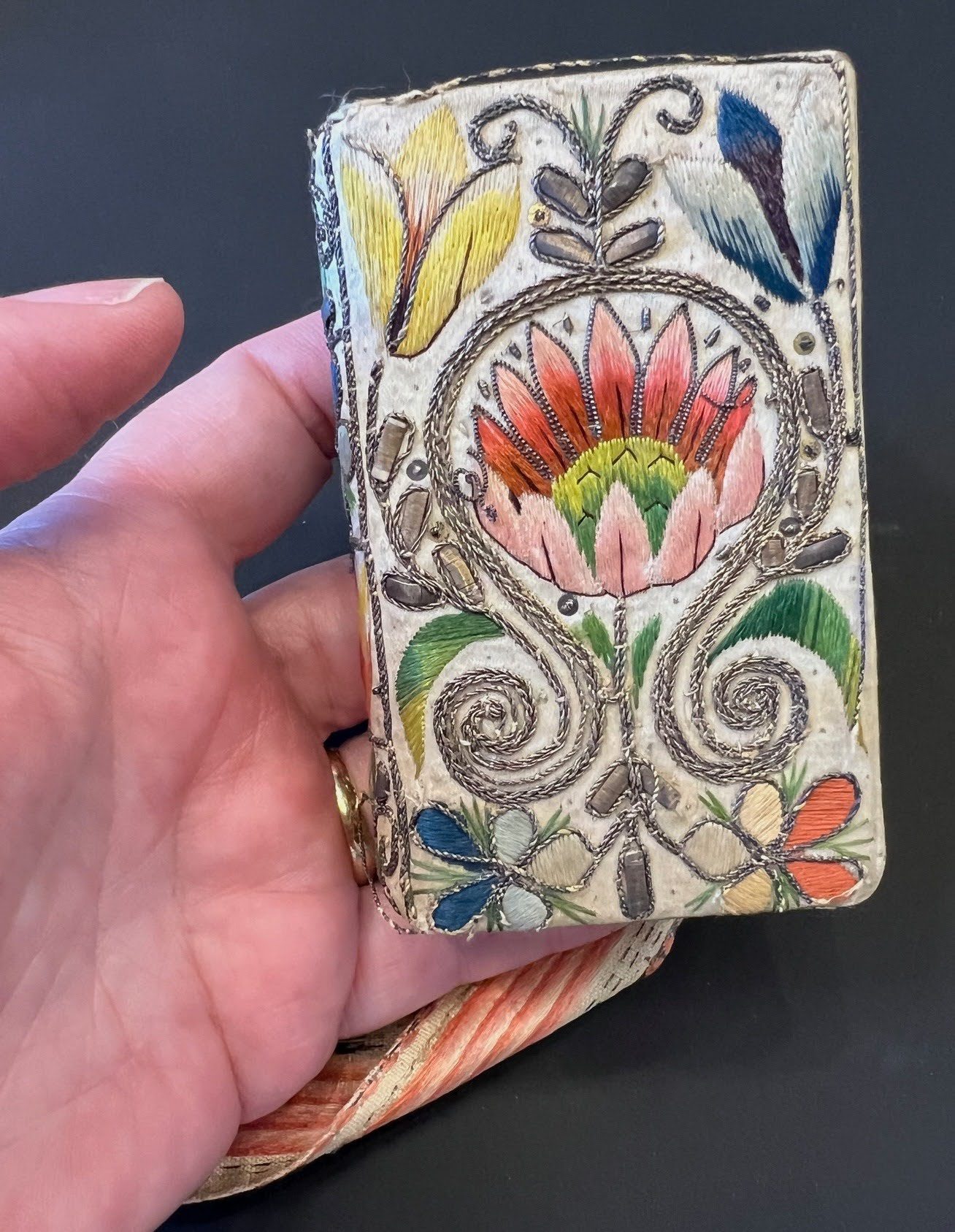
They are exceptionally beautiful objects, which is what first drew us to researching them in depth. They were made in a very narrow window of history — roughly 1560 to 1660 — and we were immediately intrigued by the “why” of that: Why did they emerge so suddenly? Why did production stop so abruptly? Why were they kept? And beyond that: Who made them? Who owned them? How were they made, and how were they used? Each question we pursued seemed to open onto more questions.
Over time we came to realize that these objects, like so many other material objects, reflect an immensely complex web of relationships — between critical social changes such as expanding education and literacy (particularly for women), growing economic prosperity, massive upheavals in religion and national governance, international trade, and both professional and domestic needlework production. It is such a fascinating and still-unfolding story.
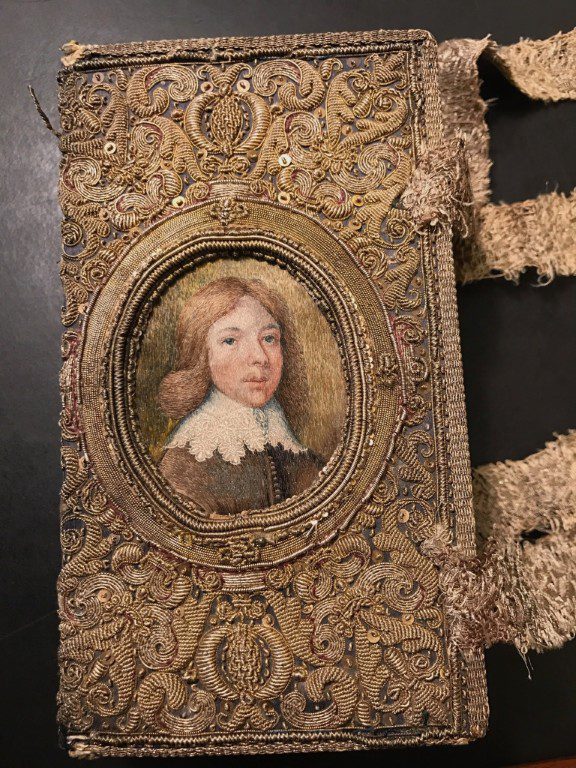
Did embroidered book bindings serve a purpose beyond being beautiful?
Absolutely! As we noted in our last answer, gift-giving was an important part of the culture during this period, and presenting a thoughtful or valuable gift created a strong sense of relationship and even obligation between giver and recipient, so much so that gifts could affect things as seemingly mundane as financial decisions and business relationships, while also serving to assert social status.
Beyond that, these books gave needleworkers, both domestic and professional, an opportunity to create something beautiful, enjoyable, and of real value. And for the owner, they served as a way to signal literacy and piety at once: “Here is a beautiful book that I own, it is religious in nature, therefore I am devout and educated.”
When did you first become interested in needlework? Do you practice a form of needlework, and if so, what style?
We’ve both been stitching since we were children. When we attended college, we each independently noticed the evidence of needlework in material culture through extant objects and images, but there was a distinct lack of focus on this in mainstream historical studies. As practitioners, it was natural to ask: why? And where was the evidence of the making of these objects?
Outside of the academic arena, we have continued to enjoy stitching as adults, taking a variety of courses over the years with a range of teachers and programs, including through the EGA and the Royal School of Needlework.
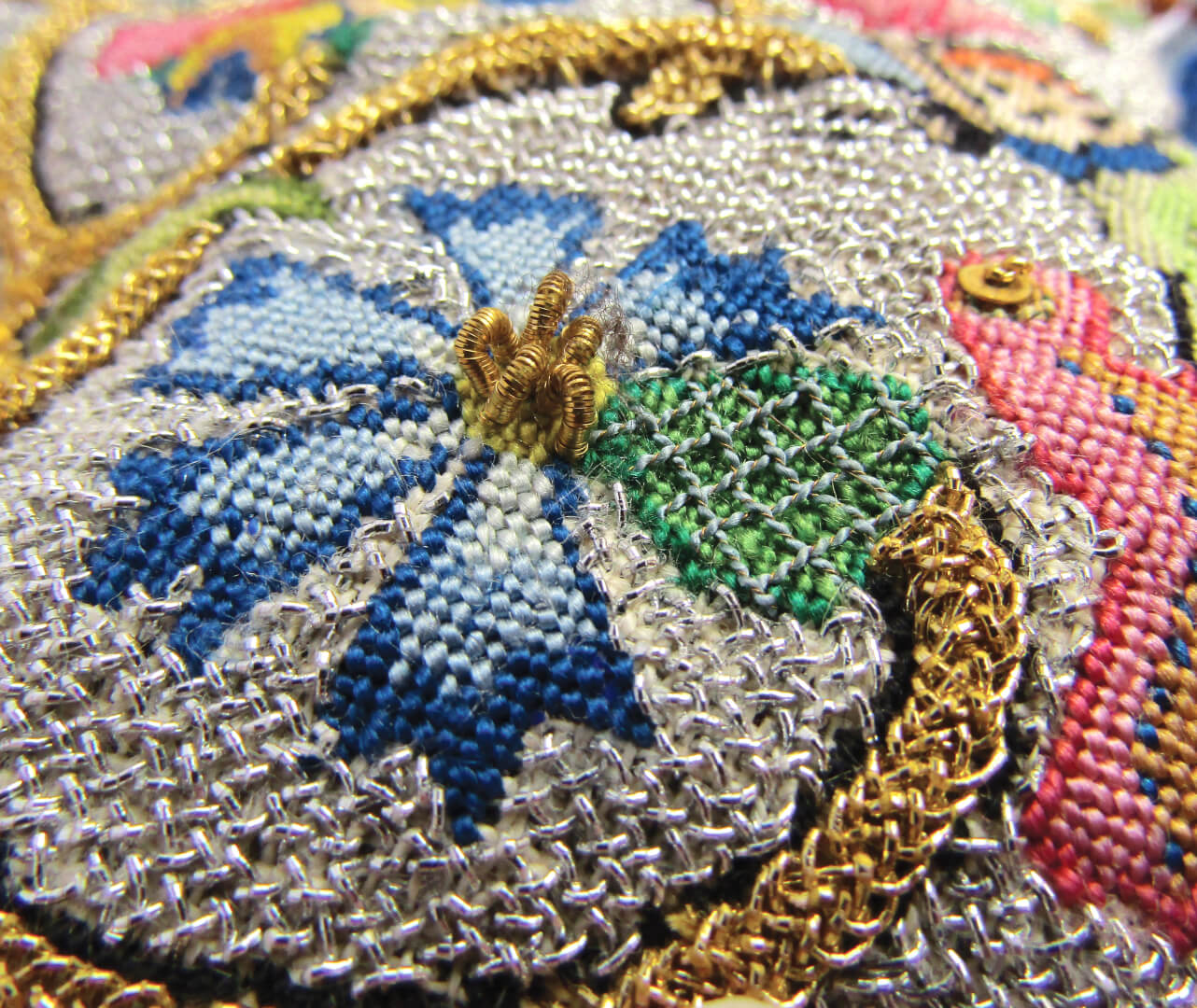
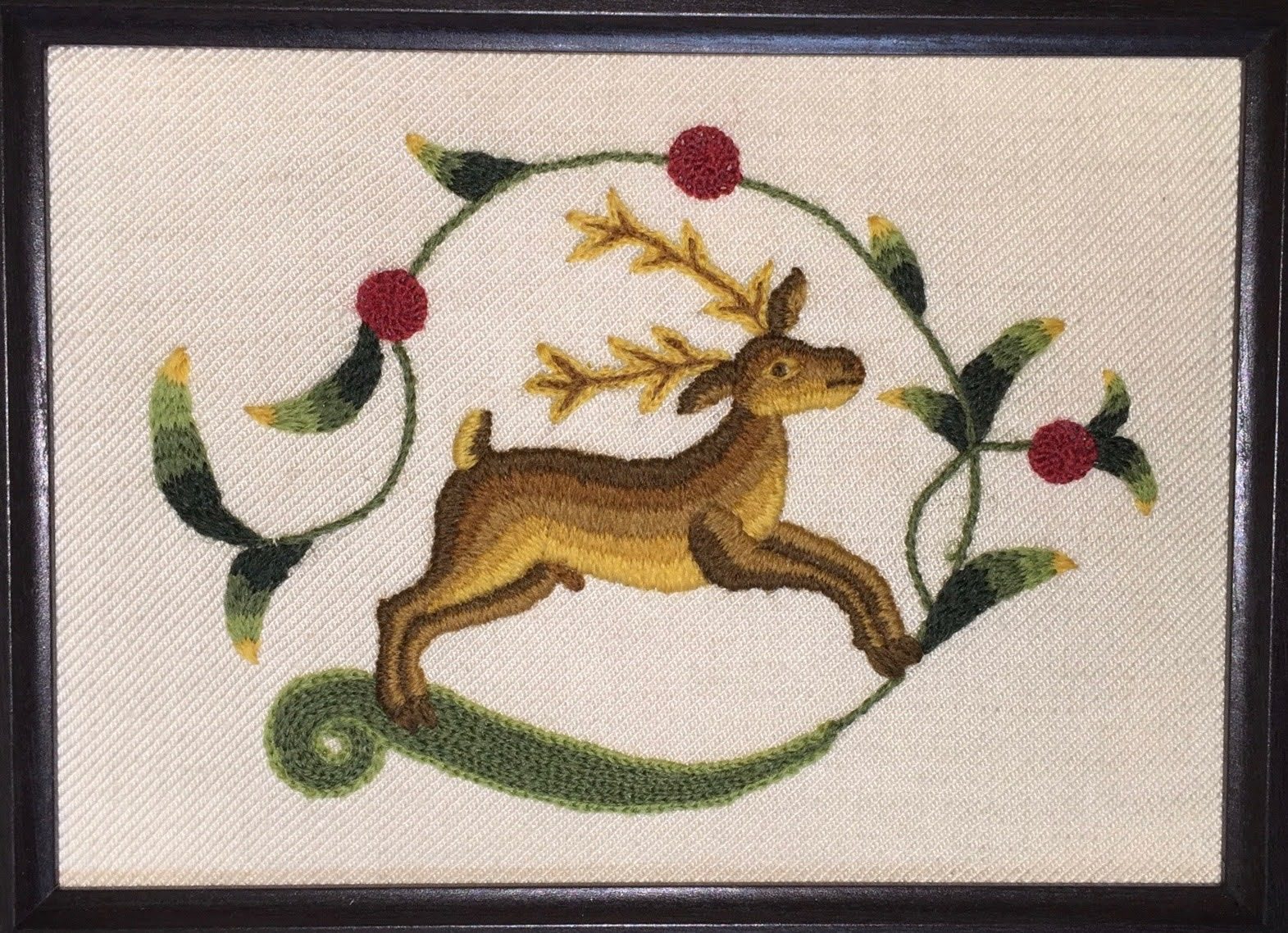
While we enjoy working and teaching in many styles, we do have our favorites. Erin loves silk and metal thread work, and Christy enjoys crewel work. But we love so many other styles too!
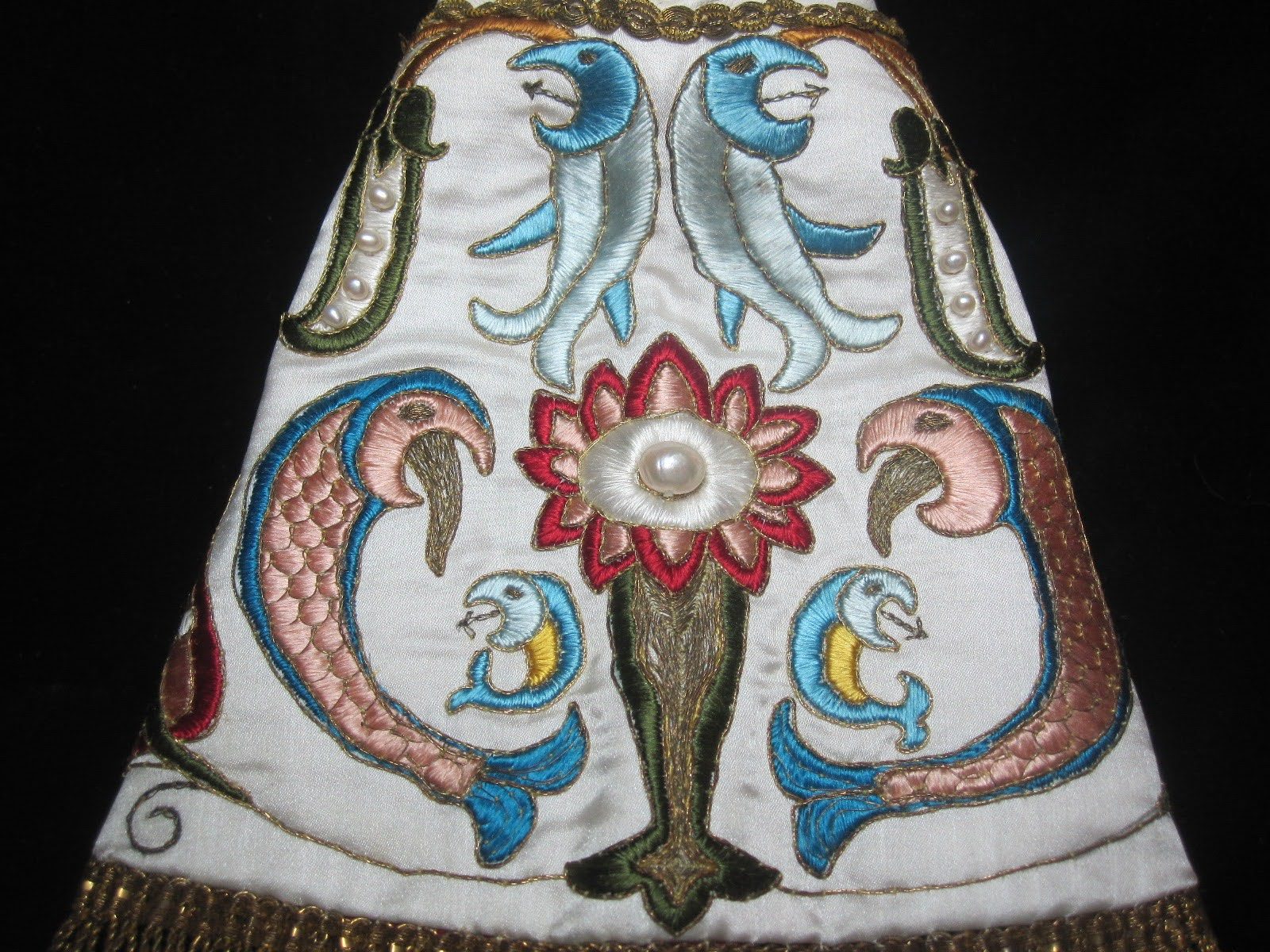
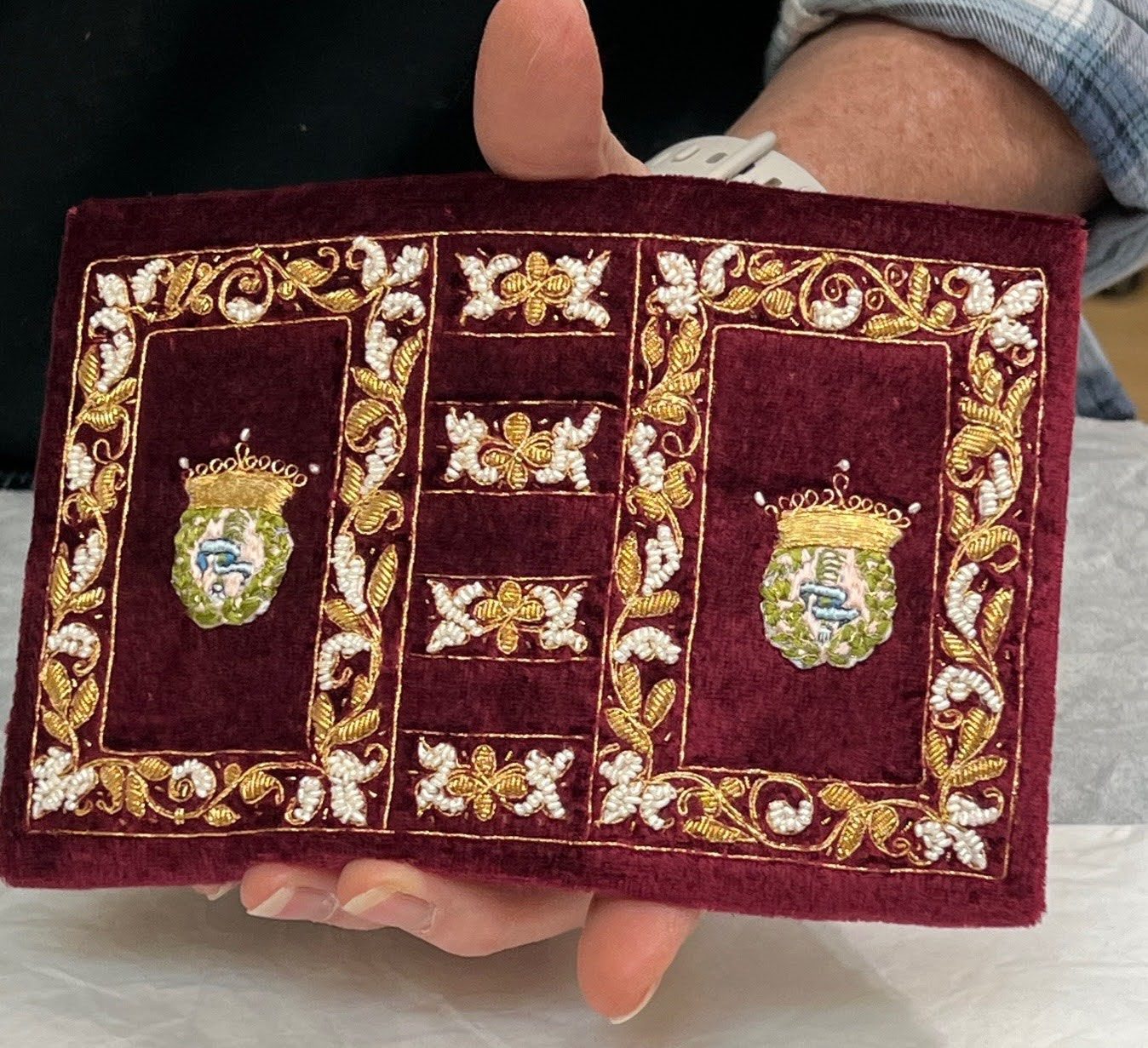
You work with a lot of libraries which hold embroidered books and relics in their archives. When reviewing the antique needlework pieces in these archives, what are you looking out for?
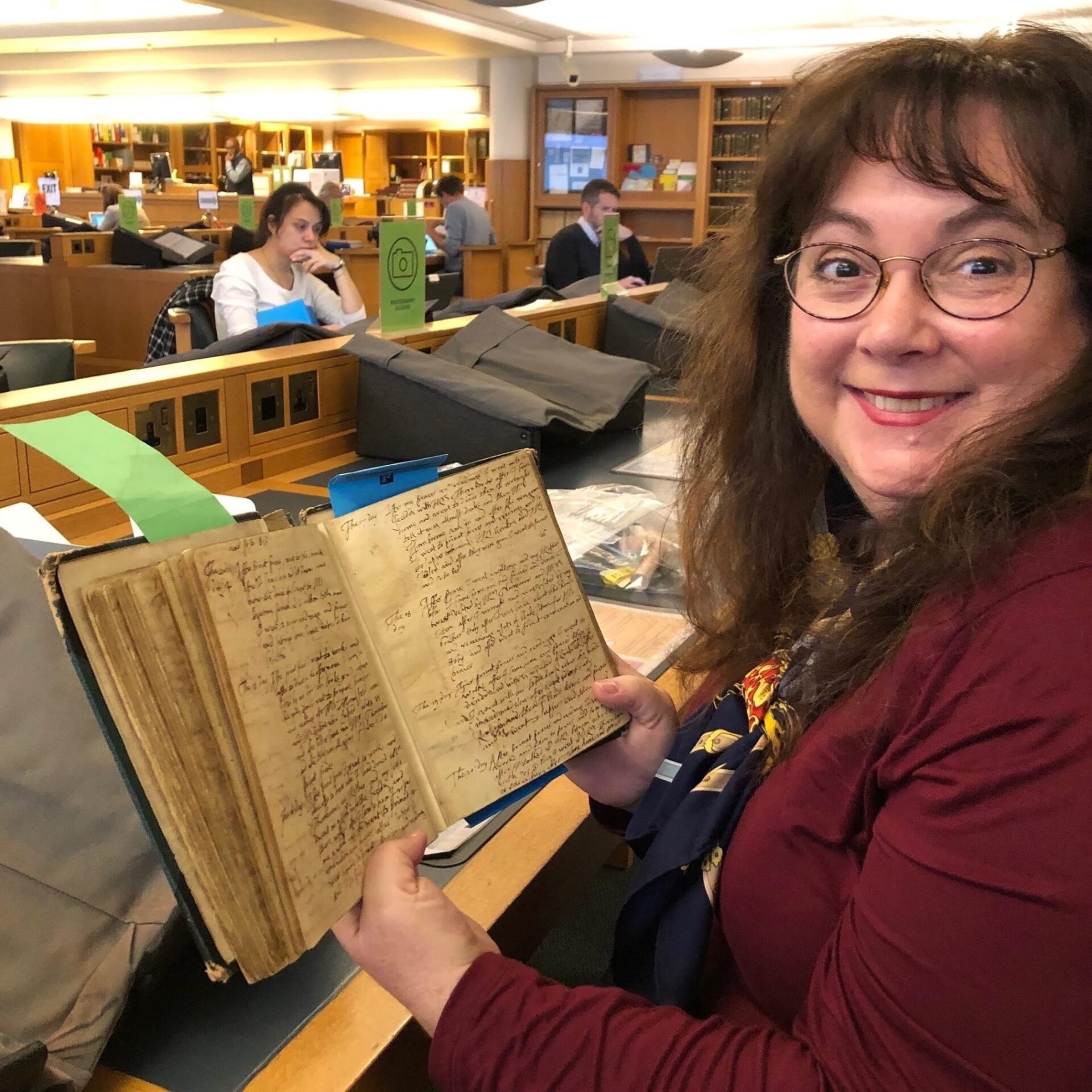
Everything! It’s literally a treasure hunt. The objects in libraries are books, and books are catalogued by title or author, not the appearance of their binding. Most embroidered book bindings are religious in text, specifically Bibles and books of Psalms, and rare books libraries hold many, many volumes of the Bible. There is frequently no straightforward way to simply parse out which ones have embroidered bindings. However, when working with rare books collections, which tend to have more dedicated staff managing the collection, there is often someone with personal knowledge of embroidered books held in that collection and we rely on the expertise of librarians. So when we do find these objects, we try to examine and photograph as many aspects of them as possible — within the time we have, at least!
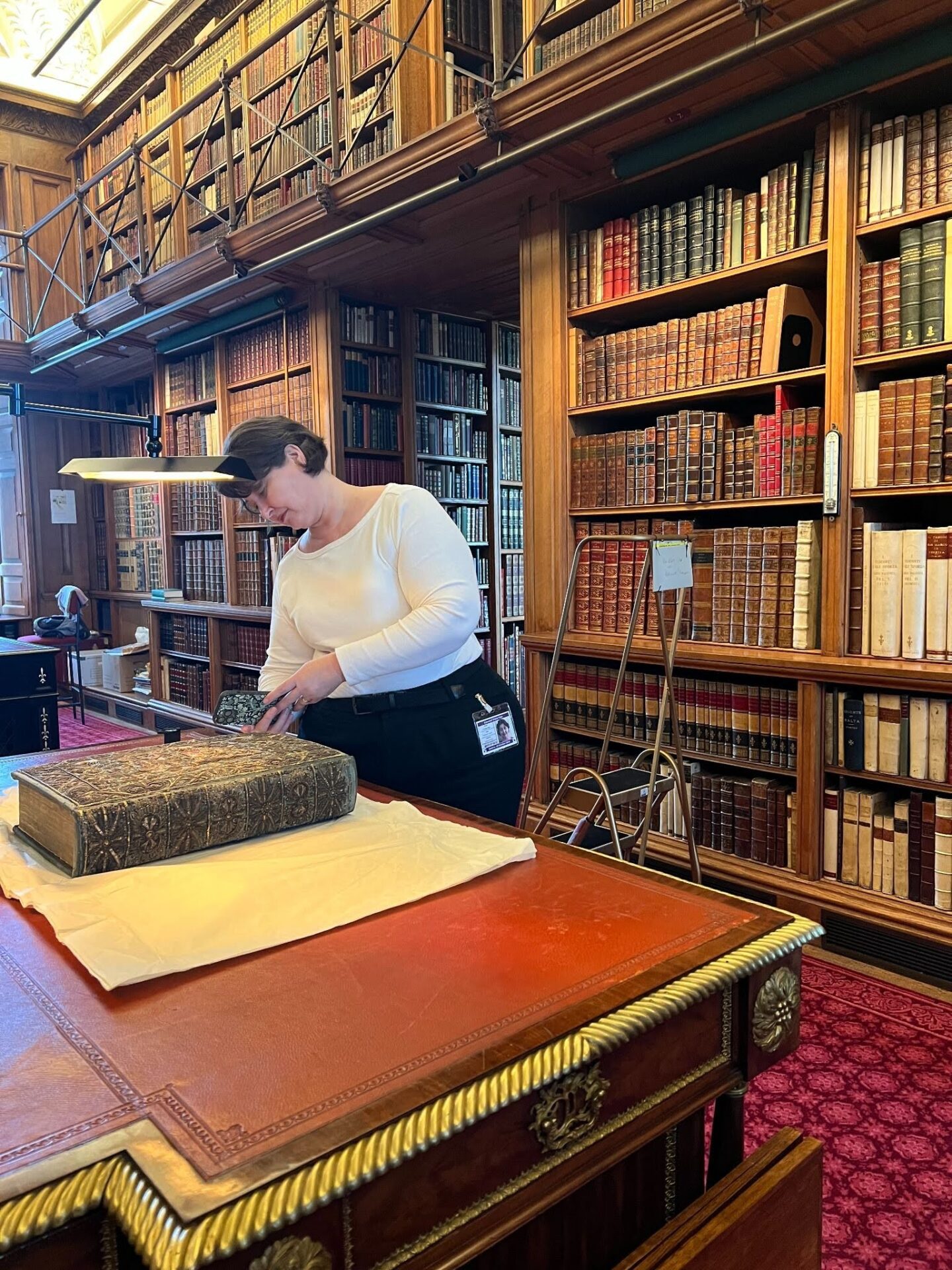
Your upcoming virtual lecture, The Exquisite Embroidered Book Bindings of Oxford, explores the embroidered bindings made for royalty, scholars, and the elite of early modern England. What do you hope attendees will learn and take from your lecture?
In all of our lectures and workshops, our goal is for attendees to come away with a sense of the larger impact of needlework on both individuals and society. During this period, embroidery was far more than a hobby — it created far-reaching economic and social impacts in terms of gift-giving, class, and personal presentation. We also try to bring our attendees along with us into the archives, frequently the collections are in magnificent libraries and buildings that are equally beautiful as the objects we are studying; it’s hard not to be inspired by the surroundings as well as the objects. We always hope attendees leave feeling informed and even inspired to learn more.
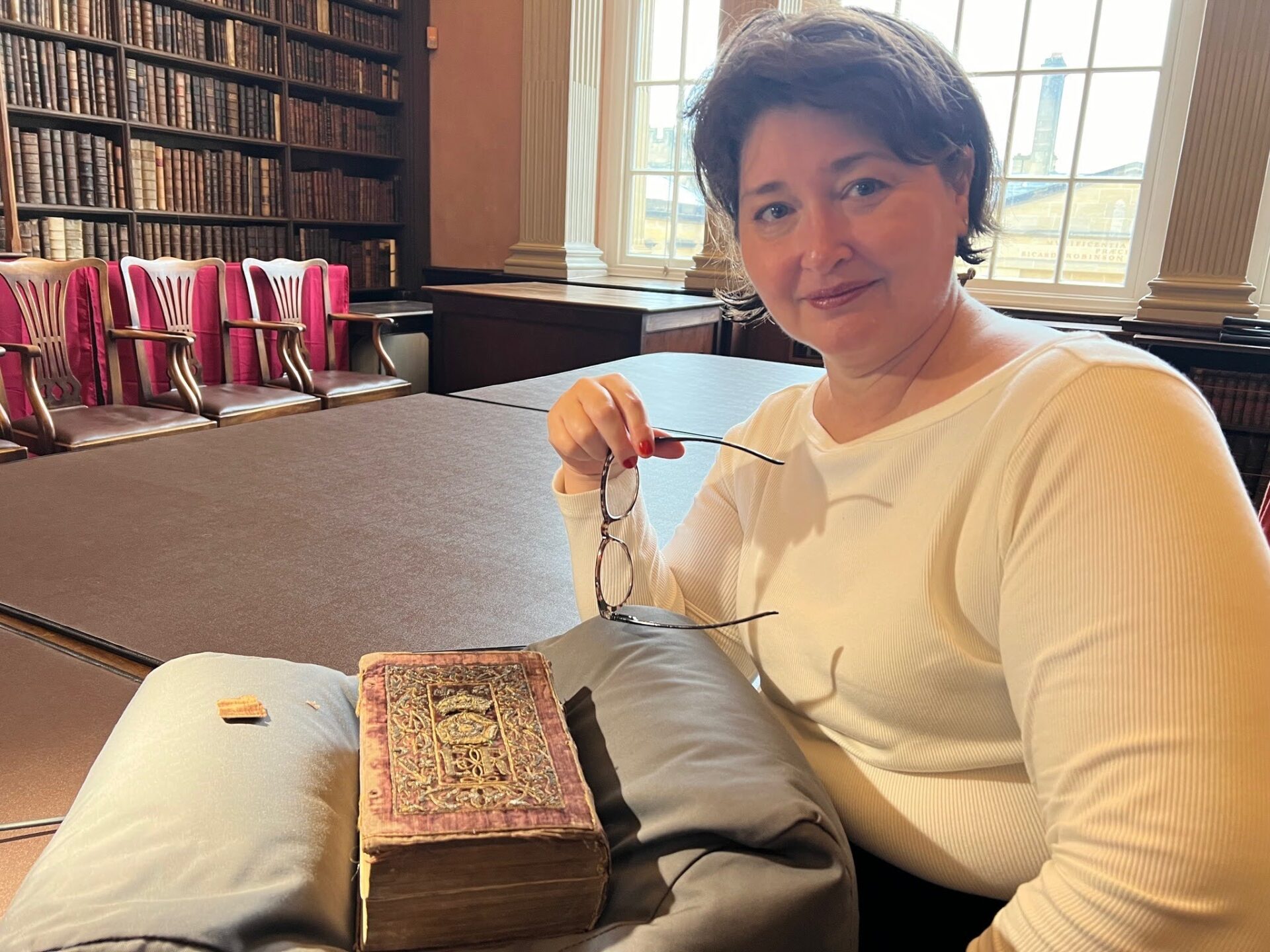
Can you tell us a little bit about the embroiderers behind these needlework artefacts? Who were these women, what positions did they hold in society, how did many of these artefacts come to be? With so many of these pieces made for nobility and the upper class, did an embroiderers’ personal expression factor into these pieces?
This is a fascinating area we could talk about expansively for ages, though it is also somewhat opaque. Documentary sources indicate that many embroidered book bindings were made professionally, but evidence in the embroidery and bindings themselves suggests that some were produced in domestic settings as well.
The people who owned these books — often women, as we can tell from personal inscriptions — ranged from the upper middle class to the very elite and royalty. These books were very much objects of display: whether carried to church to follow along with the service, used at home for personal and group prayer, or, in the case of the most elaborate examples, intended as a showstopping gift presentation and displayed on a stand in the home as a signal of prosperity and status.
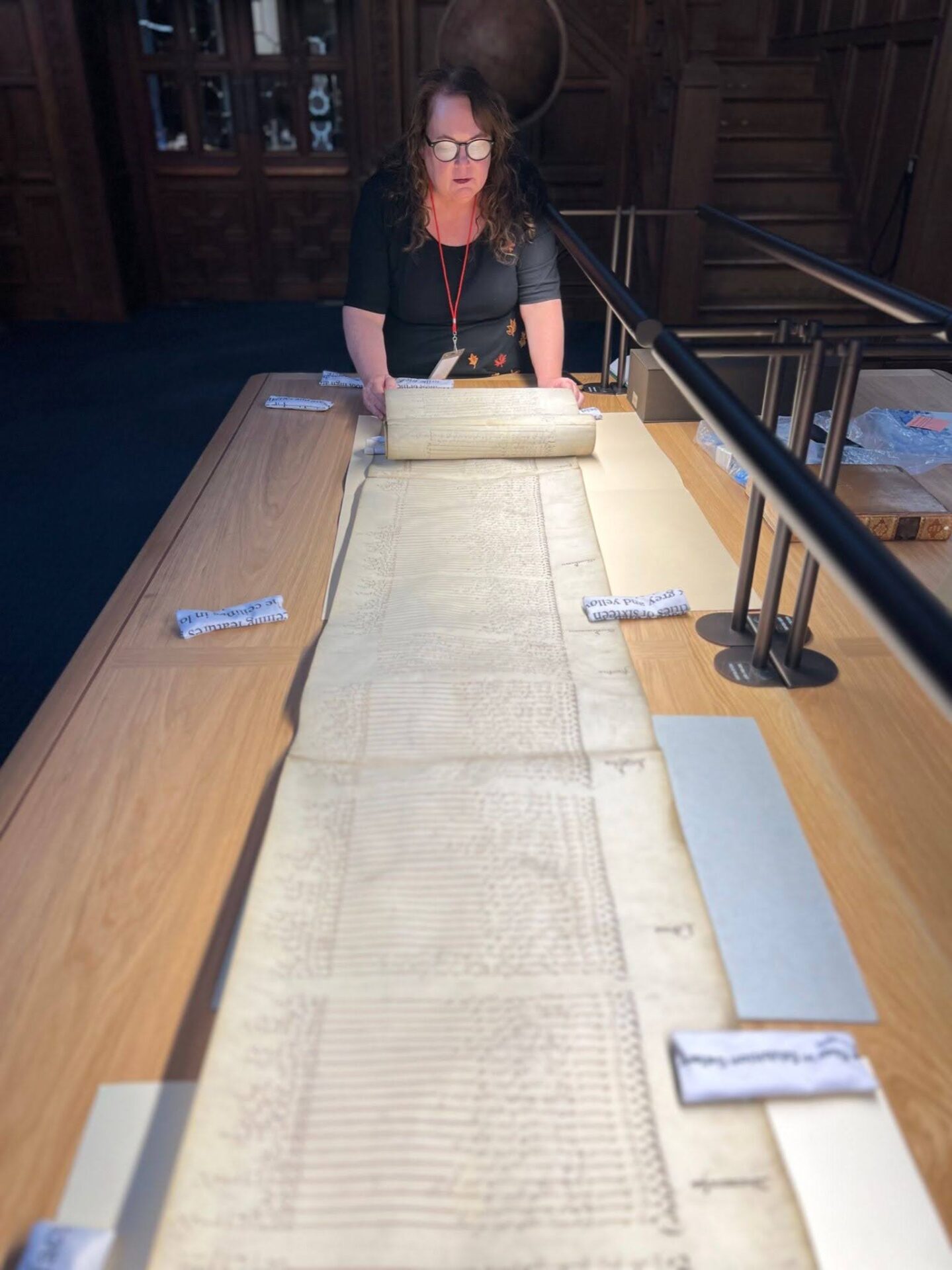
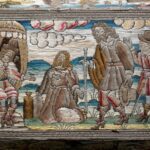
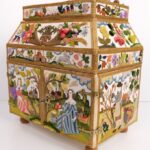
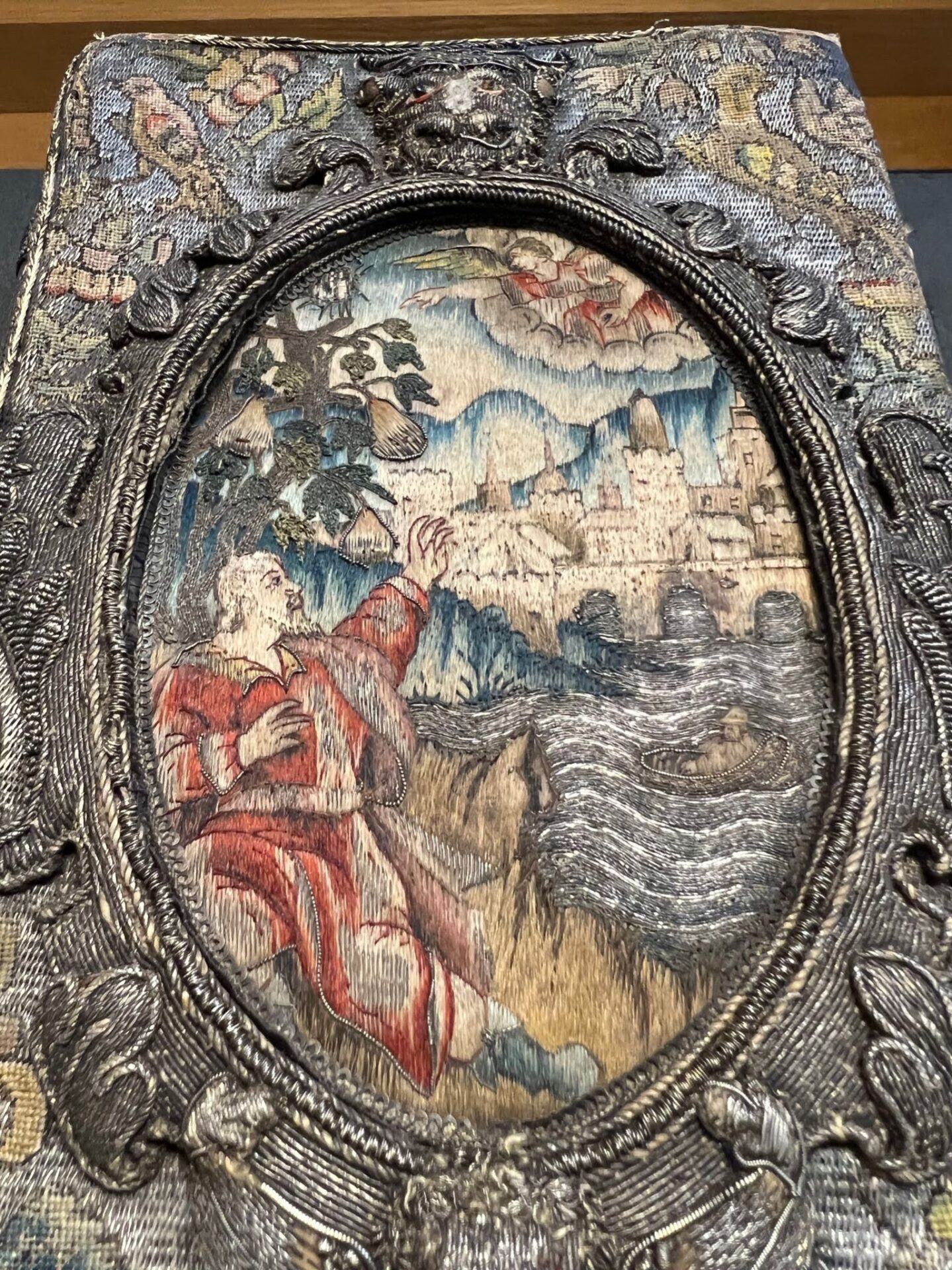
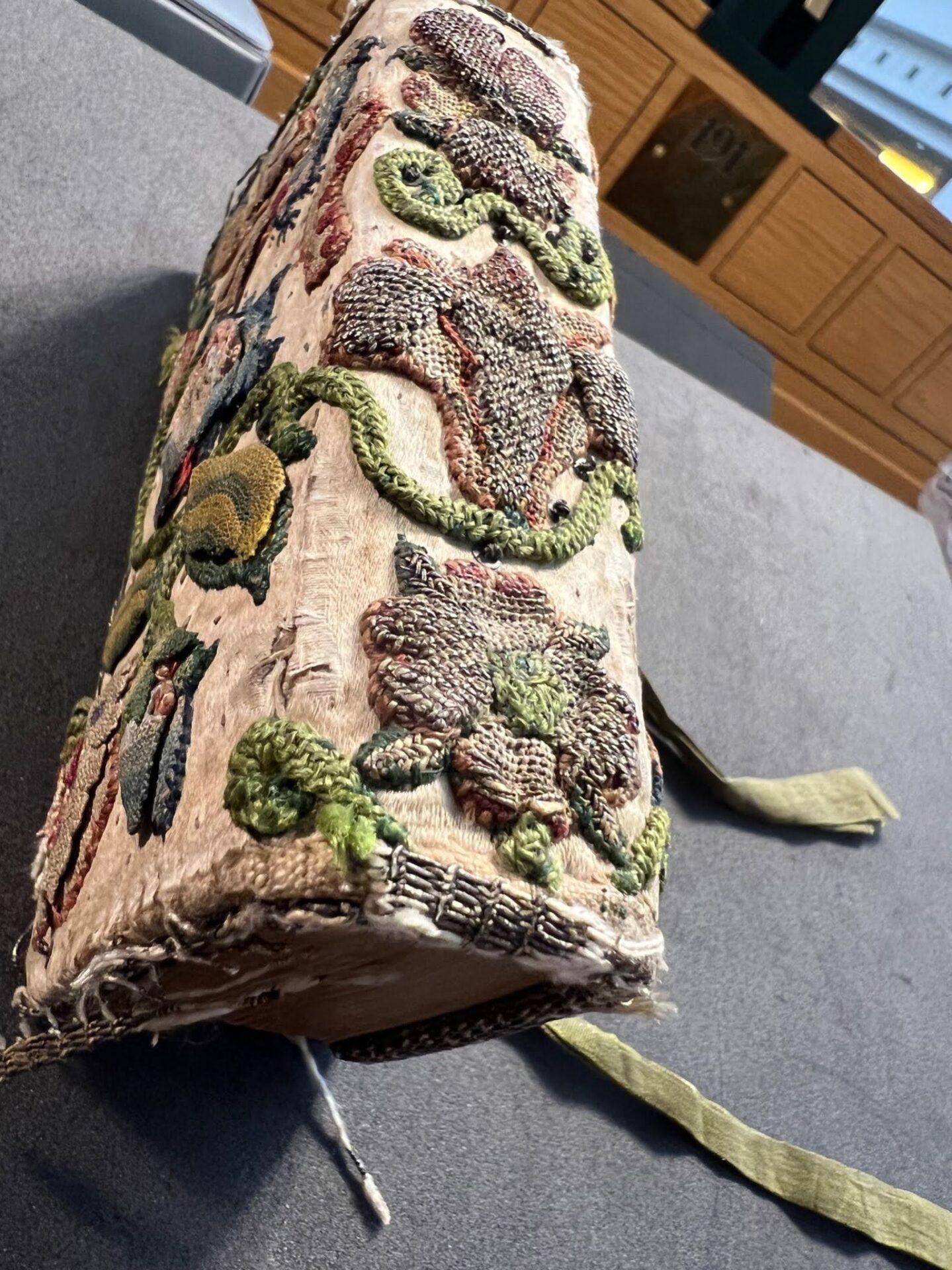
As for personal expression, that is a fascinating subject and a harder one to document. Many of the designs reflect the content of the book — King David on a Psalter, for instance — but a great number feature floral motifs where color choices and embellishment could very well represent personal decisions. We touch on this aspect of personal influence in needlework more broadly during this period, because many designs can be traced back to common patterns, yet details such as thread type, stitching technique, and color were personal choices, to a greater or lesser extent. Even this single topic opens into a vast area of research — and no shortage of rabbit holes! We can get just as excited finding a passage in a diary that documents things like, “today I wrought” or an inventory that may include “In My Lady’s Chamber, one casket, cleverly wrought” as we do actually examining extant embroideries.
Where can interested needleworkers learn more about Relics in Situ? Do you have any exciting upcoming events we should be aware of?
We are active on Facebook and Instagram and have some curated pages on Pinterest. Of course, we have our own website, Relics in Situ, and encourage anyone who wants to keep updated on our activities to sign up for our newsletter. We don’t send those out frequently, but we do try to keep in touch when we can.