Technique: Huck embroidery, Huckaback darning, or Swedish Weaving
Place of Origin: Sweden (potentially)
Earliest known date: circa 1600s
History: Huck embroidery is known by several names, and versions of it have been found across several cultures. Also known as Huckaback darning and Swedish weaving, in Brazil it is called punto oitinho, in Italy it is called punto filza, in France it is called broderie suedoise, in Yugoslavia it is called Yugoslavian weaving and in Spain bordado Yugoslavo or punto de llama. Each of these techniques shares some of the hallmarks of huck embroidery, with slight variances. Its most recognizable name—Swedish weaving—may owe its prominence to its use in Swedish table linens dating back to the 1600s, which were the oldest surviving examples of the technique.

Wherever it may have originated, credit for the term huck embroidery goes to the fabric on which the embroidery is stitched: huck cloth. Huck cloth is a textured toweling fabric of cotton or linen. It usually features a bird’s eye or honeycomb pattern with floating threads that enable embroiderers to pass stitches under the weave of the fabric without passing through to the back.

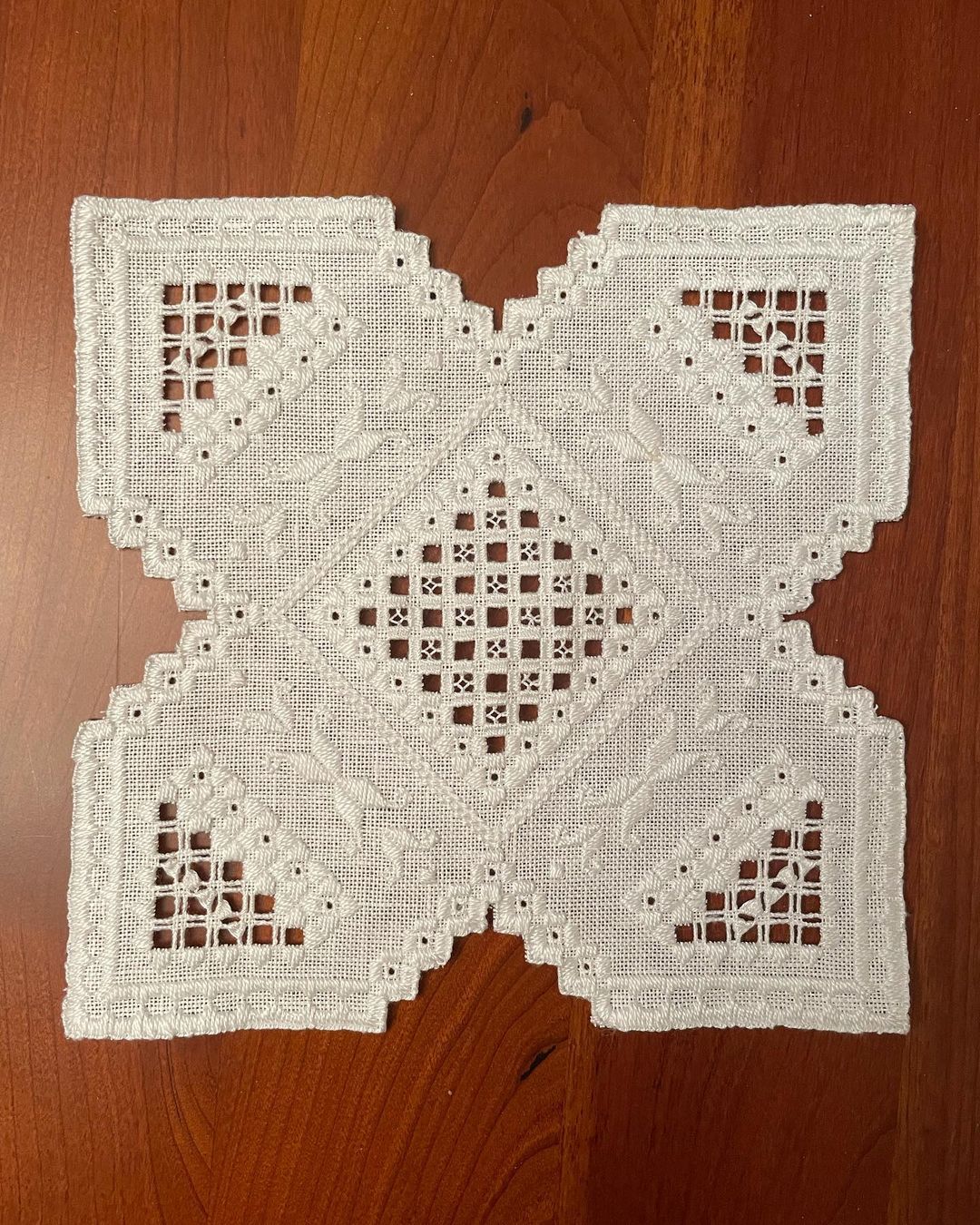
A decorative stitching technique—different from huck darning, which acts as a mending technique—Huck embroidery was popular in Europe from the 17th century through the 19th century. It traveled to North America in the 20th century. Huck embroidery featured prominently in table cloths, napkins, towels, and other household linens, as well as bags, aprons, pillows, box lids, blankets, and more. Huck embroidery designs were usually passed down within families until the mid 1900s, when Huck embroidery pattern booklets began to be published.

Materials, Techniques, and Stitches: As mentioned, huck embroidery was traditionally worked on huck cloth, which feature surface “floats,” a raised pair of threads that pass in front of other threads in the fabric. Huck embroidery does not show on the wrong side, as stitches are only worked under these floating threads. Huck embroidery is often worked in hand and does not require a hoop to hold the fabric. A blunt needle, as one would use for cross stitch, is recommended to help prevent piercing the fabric.
Huck embroidery uses perle cotton and stranded embroidery floss. Despite its name, huck embroidery is closer to a weaving technique than an embroidery technique. It commonly uses running stitch to pass under the surface floats in the fabric, as well as cross over stitches and diagonal stitches that move from under a top surface float pair down to a bottom surface float pair, or diagonally over. The movement through surface floats creates the different styles of stitches and varies by the design—there are circle stitches, filler stitches, figure-eight stitches, zig-zag stitches, blind stitches, and whipped running stitches.
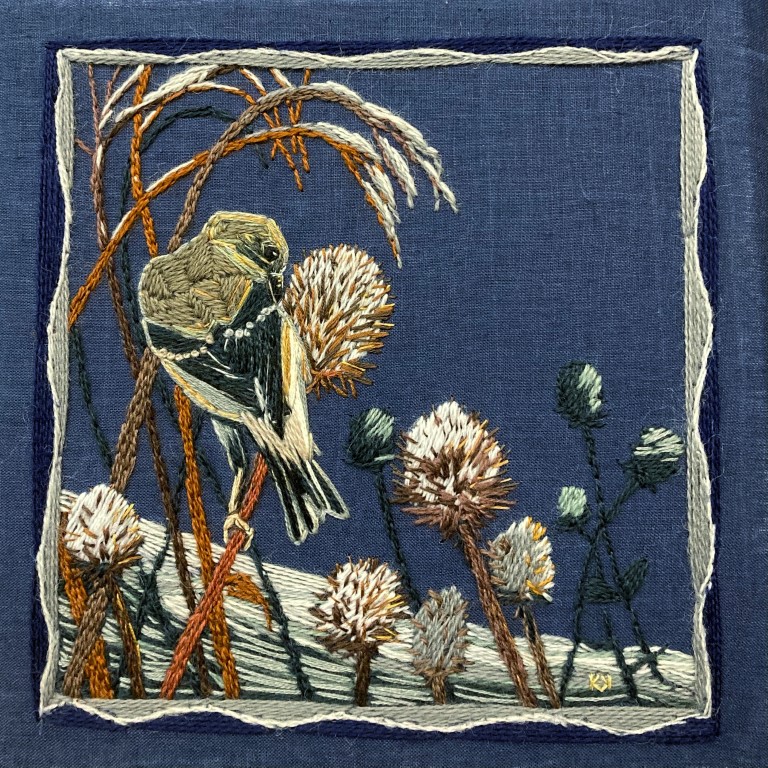
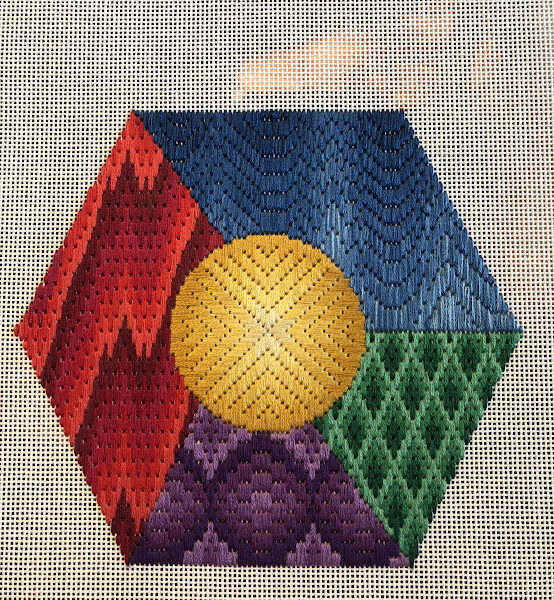
Motifs: Huck embroidery motifs are often abstract geometric in nature. Flowers, animals, and other subjects may be represented in some contemporary design motifs.
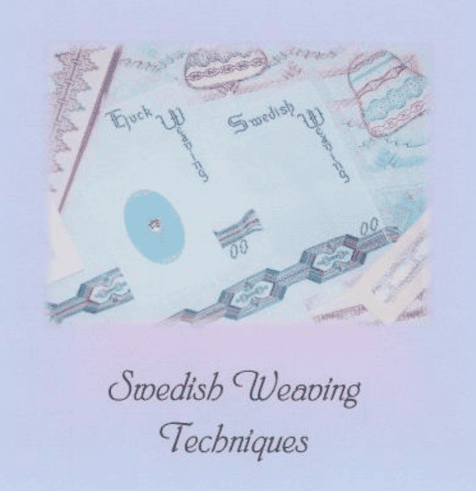
Ready to learn more about Huck embroidery? Download Phyllis Maurer’s Swedish Weaving Techniques to access a stitch dictionary and patterns for huck embroidery!
Sources
Maurer, P. Swedish Weaving Techniques. https://egausa.org/product/techniques-of-swedish-weaving-phyllis-maurer/
Huckaback. In Wikipedia. https://en.wikipedia.org/wiki/Huckaback
(n.d.). Huck or Swedish Weaving & a Towel from Julie. Needle ‘n Thread. https://www.needlenthread.com/2019/04/huck-or-swedish-weaving-towel.html
Bush, M. (2022, August 19). Embroidered Huck Towels. Piecework. https://pieceworkmagazine.com/embroidered-huck-towels/
Johanson, M. (2020, April 30). Swedish Huck Embroidery. The Spruce Crafts. https://www.thesprucecrafts.com/swedish-huck-embroidery-4114621
Panamaroff, A. (n.d.). Huck Embroidery. Edmonton Needlecraft Guild. https://www.edmontonneedlecraftguild.org/info/huck-embroidery